



Hyundai vs. Mazda for Tech, Warranty, and Everyday Family Driving near Indianapolis, IN
Dorsett Hyundai – Hyundai vs. Mazda for Tech, Warranty, and Everyday Family Driving near Indianapolis, IN
If you are shopping for a vehicle near Indianapolis, IN, Hyundai and Mazda are two brands that often land on the same research list. Both offer stylish SUVs, efficient cars, useful technology, and driving confidence for commuting on I-465, heading west on I-70, navigating downtown parking garages, or packing up for a weekend at Eagle Creek Park. The question is not simply which brand looks good on paper. The better question is which brand fits the way many Central Indiana drivers actually use a vehicle every day.
At Dorsett Hyundai, we often talk with shoppers comparing Hyundai models like the TUCSON, SANTA FE, PALISADE, KONA, ELANTRA, SONATA, SANTA CRUZ, and IONIQ vehicles against Mazda options such as the CX-5, CX-50, CX-70, CX-90, Mazda3, and MX-5 Miata. Mazda has a well-earned reputation for sporty handling and upscale cabin design, especially for drivers who enjoy a more connected feel behind the wheel. Hyundai, however, tends to stand out for shoppers who want a broader mix of technology, warranty confidence, electrified choices, interior flexibility, and long-term ownership support.
For Indianapolis-area drivers who need one vehicle to handle commuting, family errands, highway travel, school activities, and weekend flexibility, Hyundai makes a particularly strong case. Mazda vehicles can be enjoyable and refined, but Hyundai offers more variety across body styles and powertrains, including hybrids, plug-in hybrids, and dedicated electric vehicles. That gives shoppers more room to choose a vehicle based on space, efficiency, charging access, cargo needs, seating comfort, and available all-wheel drive capability.
Real-World Use Case: One Vehicle for Busy Indianapolis-Area Life
A typical week around Indianapolis can ask a lot from a vehicle. One day might include a commute from Avon, Brownsburg, Greenwood, Fishers, or Carmel into the city. Another might involve tight parking near Mass Ave, a grocery run around Castleton, a youth sports trip across Marion County, or a longer drive to Terre Haute, Bloomington, or Lafayette. In this kind of routine, a vehicle needs to feel easy to live with, not just enjoyable during a short test drive.
This is where Hyundai’s lineup depth becomes a major advantage. A shopper who starts with a compact SUV can consider the Hyundai KONA or TUCSON, while growing families can move into the SANTA FE or PALISADE. Drivers who prefer a sedan still have strong Hyundai choices with the ELANTRA and SONATA, while shoppers interested in electric driving can explore IONIQ models. Mazda offers attractive SUVs and fun-to-drive cars, but the Hyundai portfolio gives Indianapolis-area shoppers more ways to match a vehicle to daily life.
Mazda often appeals to drivers who prioritize steering feel, a premium interior atmosphere, and a more traditional cockpit layout. That is a legitimate strength. Hyundai’s advantage is broader practicality. Hyundai vehicles frequently deliver roomy cabins, easy-to-use infotainment systems, generous cargo solutions, advanced driver-assistance features, and multiple electrified options without forcing shoppers into a narrow set of choices.
Technology and Convenience: Hyundai Feels Built for Modern Schedules
For many in-market shoppers, the technology decision is about more than screen size. The best systems reduce friction during daily use. Hyundai has placed a strong emphasis on intuitive displays, smartphone integration, connected services, available Hyundai Digital Key features, and driver-assistance technology that feels useful in real traffic. Features such as Bluelink+, available wireless device charging, available digital displays, and available navigation-based assistance can make daily driving feel more organized.
Mazda technology is generally clean and driver-focused, with a cabin layout that many shoppers find elegant. Mazda’s interface often uses a controller-based approach, which some drivers prefer because it keeps attention forward. Hyundai leans more toward a tech-forward experience, especially in newer vehicles with large digital displays, touch-friendly menus, and available connected features designed for remote access and convenience.
For commuters dealing with stop-and-go traffic on I-465 or I-65, Hyundai SmartSense features can be especially helpful. Depending on model and trim, Hyundai vehicles may offer systems such as Forward Collision-Avoidance Assist, Lane Keeping Assist, Blind-Spot Collision Warning, Blind-Spot Collision-Avoidance Assist, Driver Attention Warning, Rear Cross-Traffic Collision-Avoidance Assist, and Smart Cruise Control. Mazda offers i-Activsense safety technologies as well, so this is a strong area for both brands. Hyundai’s advantage is how widely safety and convenience technology is integrated across the lineup.
- Daily commuting: Hyundai offers user-friendly tech, available Smart Cruise Control, and connected features that help simplify heavy traffic and frequent stops.
- Family errands: Hyundai SUVs often emphasize wide openings, flexible cargo areas, available hands-free liftgate functions, and comfortable rear-seat space.
- Longer ownership: Hyundai America’s Best Warranty adds confidence for shoppers planning to keep a vehicle for many years.
- Electrified driving: Hyundai offers hybrids, plug-in hybrids, and dedicated EVs across a broader range of needs than Mazda.
Those differences matter when a vehicle becomes part of a daily routine. A sporty drive is enjoyable, but easy connectivity, helpful safety alerts, flexible seating, and long-term confidence often become the features drivers appreciate most after months and years of ownership.
Warranty Confidence: A Clear Hyundai Advantage
One of Hyundai’s strongest ownership advantages is warranty coverage. New Hyundai vehicles include a 10-Year / 100,000-Mile Powertrain Limited Warranty for the original owner, a 5-Year / 60,000-Mile New Vehicle Limited Warranty, a 7-Year / Unlimited Miles Anti-Perforation Warranty, and 5-Year / Unlimited Miles 24-Hour Roadside Assistance. Hyundai hybrid and electric vehicles also include a 10-Year / 100,000-Mile Hybrid/EV Battery Warranty.
Mazda warranty coverage is competitive within the broader auto market, typically including a 3-year / 36,000-mile new vehicle limited warranty and a 5-year / 60,000-mile powertrain limited warranty. That is solid coverage, but Hyundai’s warranty package is a major reason shoppers compare brands and come away feeling more confident with Hyundai. For Indianapolis-area drivers who plan to keep a vehicle well beyond the first few years, that additional peace of mind can be meaningful.
At Dorsett Hyundai, our service support adds another layer of confidence. Our dealership is located at 74 East Springhill Drive in Terre Haute, and we proudly serve drivers from Terre Haute, Indianapolis, Brazil, Sullivan, Clinton, Paris, and surrounding communities. Our service center uses factory-trained technicians, Genuine OEM Hyundai parts, state-of-the-art diagnostic equipment, and a customer-focused process designed to keep ownership straightforward. Over 80% of our technicians are Hyundai Master Certified, our service manager is Platinum Master Certified, and over 50% of our technicians are ASE certified.
Efficiency, Electrification, and All-Wheel Drive Choices
Hyundai also has a compelling edge for shoppers thinking about fuel efficiency or electric driving. The Hyundai lineup includes efficient gas models, hybrid SUVs, plug-in hybrid options, and all-electric IONIQ vehicles. For someone commuting from the west side of Indianapolis, making regular highway trips, or considering home charging, that flexibility matters. Hyundai gives shoppers a path into electrification without limiting vehicle size or body style as much as some brands.
Mazda has made progress with electrified options, including plug-in hybrid availability in select larger SUVs and hybrid technology in select models. Mazda also deserves credit for offering available or standard all-wheel drive across much of the SUV lineup, which supports confident handling. Hyundai counters with available HTRAC All Wheel Drive on many SUVs, along with efficient front-wheel drive choices for drivers who prioritize fuel economy. In short, Mazda is strong for drivers who want a planted, sporty feel, while Hyundai offers more flexibility for balancing efficiency, traction, space, and technology.
That flexibility is especially helpful around Indianapolis, where driving needs can vary from urban parking to interstate travel to suburban family schedules. A KONA may be ideal for easy maneuverability around Broad Ripple or downtown. A TUCSON may better fit commuters who want compact SUV space without feeling oversized. A SANTA FE or PALISADE may serve families who need more seating, more cargo room, and more comfort for longer road trips. Hyundai gives shoppers a clear ladder of options as life changes.
Which Brand Is the Better Fit?
Mazda is a smart brand to consider if driving feel, cabin style, and a more premium design character are top priorities. Mazda SUVs often feel responsive and composed, and many drivers enjoy the brand’s focus on connection between vehicle and driver. For shoppers who want a refined cabin and a sportier personality, Mazda deserves a close look.
Hyundai is the stronger overall fit for many Indianapolis-area shoppers who want a practical daily vehicle supported by modern technology, strong warranty coverage, broad powertrain options, and family-friendly packaging. Hyundai also makes it easier to compare multiple solutions within the same brand. A shopper can look at sedans, compact SUVs, midsize SUVs, three-row SUVs, compact adventure vehicles, hybrids, plug-in hybrids, and EVs all in one lineup.
At Dorsett Hyundai, our goal is to make that research process easier. We can help compare Hyundai models based on commute length, cargo needs, seating preferences, all-wheel drive interest, charging plans, and long-term ownership expectations. Whether the next vehicle needs to handle I-70 drives between Indianapolis and Terre Haute or everyday errands close to home, Hyundai offers a strong balance of confidence, comfort, and capability.
Frequently Asked Questions:
Is Hyundai or Mazda better for Indianapolis-area families?
Both brands offer good family vehicles, but Hyundai has an advantage in lineup variety, available three-row options, cargo flexibility, warranty coverage, and family-focused technology. Models such as the TUCSON, SANTA FE, and PALISADE give shoppers multiple size choices depending on passenger and cargo needs.
Does Hyundai offer better warranty coverage than Mazda?
Yes. New Hyundai vehicles include a 10-Year / 100,000-Mile Powertrain Limited Warranty for the original owner, while Mazda’s powertrain warranty is typically 5 years / 60,000 miles. Hyundai also includes a 5-Year / 60,000-Mile New Vehicle Limited Warranty and 5-Year / Unlimited Miles 24-Hour Roadside Assistance.
Which brand has more electrified vehicle choices?
Hyundai offers a broader electrified lineup, including hybrid, plug-in hybrid, and dedicated electric vehicles. Mazda has electrified options in select models, but Hyundai provides more choices for shoppers who want to match efficiency goals with a specific vehicle size or driving routine.
Where can I compare Hyundai vehicles near Indianapolis, IN?
You can visit Dorsett Hyundai in Terre Haute, IN. We serve Indianapolis-area shoppers and can help compare Hyundai vehicles for commuting, family driving, road trips, all-wheel drive needs, and electrified ownership.
Request more information
Dorsett Hyundai – Hyundai vs. Honda for Warranty, Tech, and Busy Household Driving near Champaign, IL
If you are shopping for a dependable vehicle near Champaign, IL, there is a good chance Hyundai and Honda are both on your research list. That makes sense. Both brands offer efficient sedans, versatile SUVs, family-friendly interiors, and strong reputations for daily drivability. For drivers moving between Champaign, Urbana, Savoy, Mahomet, and campus-area destinations around the University of Illinois, the right vehicle needs to be easy to live with every day – not just impressive during a short test drive.
At Dorsett Hyundai, we often help shoppers compare Hyundai with Honda through the lens of real ownership. That means looking beyond a single model and thinking about the full experience: warranty coverage, driver-assistance features, cabin technology, fuel-efficient choices, electrified options, service support, and how well a vehicle fits life around Central Illinois. Honda remains a respected competitor, especially for shoppers considering vehicles like the Civic, Accord, CR-V, HR-V, Passport, and Pilot. Still, Hyundai makes a very compelling case for shoppers who want modern features, long-term confidence, and a wide range of options across sedans, SUVs, hybrids, and EVs.
Real-World Use Case: One Vehicle for Commuting, Family Duties, and Weekend Miles
Champaign-area drivers ask a lot from a vehicle. A typical week might include commuting on I-74, navigating Prospect Avenue or Neil Street, picking up groceries near Market Place, taking children to activities in Urbana, and making weekend trips toward Indianapolis, Chicago, St. Louis, or Terre Haute. In this ownership scenario, a vehicle needs to feel comfortable in traffic, efficient on open highways, easy to park, and reassuring when roads are crowded or visibility changes quickly.
Hyundai and Honda both build vehicles that can handle that routine. Honda has long been known for straightforward practicality, and models like the CR-V and Accord continue to appeal to shoppers who want familiar controls and efficient performance. Hyundai, however, has evolved into one of the most well-rounded brands for modern daily life. The Hyundai lineup includes compact commuters like the ELANTRA, small SUVs like the KONA, family-focused choices like the TUCSON and SANTA FE, three-row options like the PALISADE, and electrified models under the IONIQ name. That range gives shoppers more ways to match a vehicle to a specific lifestyle without leaving the Hyundai brand.
Warranty Coverage: A Major Hyundai Advantage for Long-Term Confidence
For many in-market shoppers, warranty coverage is one of the clearest differences between Hyundai and Honda. Hyundai America’s Best Warranty is a major reason drivers choose Hyundai for long-term ownership. New Hyundai vehicles include a 10-Year / 100,000-Mile Powertrain Limited Warranty, a 5-Year / 60,000-Mile New Vehicle Limited Warranty, a 7-Year / Unlimited Miles Anti-Perforation Warranty, and 5-Year / Unlimited Miles 24-Hour Roadside Assistance. Hyundai hybrid and electric models also include a 10-Year / 100,000-Mile Hybrid/EV Battery Warranty.
Honda warranty coverage is solid, but Hyundai offers longer powertrain and new vehicle limited warranty coverage compared with Honda based on the warranty comparison information provided by Hyundai. For a Champaign driver planning to keep a vehicle for many years, or for a family that wants added peace of mind as mileage adds up through commutes, school activities, and road trips, Hyundai’s coverage is a meaningful advantage.
- Hyundai powertrain confidence: 10-Year / 100,000-Mile Powertrain Limited Warranty for eligible new Hyundai vehicles gives long-term owners added reassurance.
- New vehicle coverage: Hyundai offers a 5-Year / 60,000-Mile New Vehicle Limited Warranty, which helps support confidence during the early ownership years.
- Roadside support: Hyundai includes 5-Year / Unlimited Miles 24-Hour Roadside Assistance for eligible new vehicles.
- Electrified peace of mind: Hyundai hybrid and electric vehicles include a 10-Year / 100,000-Mile Hybrid/EV Battery Warranty.
Warranty details can vary by ownership status, model year, vehicle use, and other factors, so our team at Dorsett Hyundai can walk through coverage details with you before you buy.
Technology and Cabin Experience: Hyundai Feels Especially Modern
Honda cabins are generally practical and easy to understand, which is part of the brand’s appeal. Shoppers who value a traditional layout may appreciate Honda’s approach. Hyundai, though, often feels more forward-looking in everyday use. Across the Hyundai lineup, shoppers can find features such as large digital displays, available wireless smartphone connectivity, available Hyundai Digital Key 2 Touch or Hyundai Digital Key 2 Premium on select models, available Bluelink+, and premium convenience features that make daily driving feel more intuitive.
For Champaign drivers who frequently juggle work, school, errands, and family schedules, small tech details matter. Being able to access connected services, use available digital key capability, view navigation clearly, or enjoy a thoughtfully designed touchscreen can make the vehicle feel less like a tool and more like a helpful part of the day. Hyundai’s recent interiors also stand out for clean design, useful storage, and a sense of space that feels upscale without being complicated.
Honda’s technology is competitive, especially in popular models, and Honda Sensing driver-assistance features have broad recognition. Hyundai counters with Hyundai SmartSense, which includes a wide range of available and standard driver-assistance technologies depending on model and trim. Systems can include helpful features designed to support awareness, lane guidance, following distance, and parking confidence. For local drivers moving through campus traffic, I-57 interchanges, or busy shopping areas, that support can be valuable.
Hybrid, EV, and Efficient Driving Options
Efficiency is another area where both brands deserve consideration. Honda offers well-known hybrid options, and vehicles such as the Accord Hybrid and CR-V Hybrid appeal to drivers who want strong fuel economy without changing charging habits. Hyundai also has a deep and growing electrified lineup, including hybrid, plug-in hybrid, and all-electric choices. Depending on availability, shoppers can consider vehicles such as the TUCSON Hybrid, SANTA FE Hybrid, SONATA Hybrid, IONIQ 5, IONIQ 6, and IONIQ 9.
For a Champaign-area household, this flexibility matters. A commuter who primarily drives between Urbana and Champaign may value an EV or hybrid for efficiency. A family that regularly travels to visit relatives across Illinois or Indiana may prefer a hybrid SUV with excellent range and familiar refueling. A driver who wants the feel of an electric vehicle but still needs family space may find Hyundai’s IONIQ lineup especially appealing. Honda has made progress with electrification, including the Prologue EV, but Hyundai’s broader electrified selection gives shoppers more pathways into efficient driving.
SUV Practicality and Everyday Comfort
When comparing Hyundai and Honda SUVs, the decision often comes down to comfort, flexibility, and feature depth. Honda’s HR-V, CR-V, Passport, and Pilot are practical choices with strong name recognition. Hyundai responds with the KONA, TUCSON, SANTA FE, PALISADE, and IONIQ 9, giving shoppers a wide SUV ladder from city-friendly compact to three-row family utility.
Hyundai SUVs tend to shine for shoppers who want distinctive styling, useful interior packaging, and a generous mix of comfort and technology. The TUCSON works well for daily driving around Champaign-Urbana while still offering flexible cargo room for groceries, sports gear, or weekend bags. The SANTA FE brings a bold design and available three-row flexibility, making it attractive for families who want more seating without moving into the largest SUV category. The PALISADE delivers a more premium three-row experience, especially for families who want adult-friendly space and long-trip comfort.
Honda’s SUV lineup remains a strong alternative, especially for shoppers who prioritize brand familiarity. However, Hyundai’s mix of warranty coverage, advanced features, electrified choices, and modern cabin design gives our customers more reasons to take a closer look before deciding.
Why Shop Hyundai with Dorsett Hyundai?
Choosing between Hyundai and Honda is not only about the vehicle. It is also about the support you receive before, during, and after the sale. Dorsett Hyundai is located at 74 East Springhill Drive in Terre Haute, IN, and we proudly serve drivers from communities across the region, including Champaign, IL. Our inventory includes new, used, and certified pre-owned Hyundai models, and we are here to help you compare options with clear, helpful guidance.
Our service department is built around Hyundai ownership. We use factory-trained technicians, Genuine OEM Hyundai parts, state-of-the-art diagnostic equipment, and a customer-focused process designed to keep your vehicle running its best. Whether you are coming from Champaign for a test drive, scheduling maintenance, exploring financing, or comparing Hyundai programs, our goal is to make the experience straightforward and informative.
- Inventory selection: We carry a versatile selection of new, used, and certified pre-owned Hyundai vehicles.
- Hyundai service expertise: Our certified technicians understand Hyundai vehicles and maintain factory standards.
- Genuine OEM Hyundai parts: Our parts support proper fit, performance, and long-term dependability.
- Helpful finance support: Our finance department can help you explore lease and finance options based on your needs.
- Regional experience: We serve drivers from Terre Haute, Champaign, and surrounding communities with a focus on long-term satisfaction.
Frequently Asked Questions:
Is Hyundai or Honda better for long-term ownership near Champaign, IL?
Both brands can be strong long-term choices, but Hyundai stands out for warranty confidence. Hyundai America’s Best Warranty includes longer powertrain and new vehicle limited warranty coverage than Honda based on the Hyundai warranty comparison, which can matter if you plan to keep your vehicle for many years.
Does Hyundai offer good options for families comparing Honda SUVs?
Yes. Hyundai offers a wide SUV lineup that includes the KONA, TUCSON, SANTA FE, PALISADE, and IONIQ 9. Whether you need a compact SUV for Champaign errands or a three-row SUV for family travel, Hyundai gives shoppers several practical choices.
Which brand has better technology, Hyundai or Honda?
Honda offers user-friendly technology, but Hyundai often feels especially modern thanks to available features such as large digital displays, available Bluelink+, available Hyundai Digital Key technology, and a broad range of Hyundai SmartSense driver-assistance features.
Should I test drive Hyundai before choosing a Honda?
Absolutely. If you are comparing both brands, a Hyundai test drive can help you evaluate comfort, visibility, infotainment, cargo space, and everyday driving feel. Dorsett Hyundai can help you compare Hyundai models based on your commute, family needs, and long-term ownership goals near Champaign, IL.
Honda remains a worthy competitor, but Hyundai delivers a stronger overall blend for many Champaign-area shoppers: impressive warranty coverage, modern technology, broad SUV and sedan choices, and a growing electrified lineup. If your next vehicle needs to support daily commuting, family responsibilities, and weekend travel with confidence, we invite you to connect with Dorsett Hyundai and experience the Hyundai difference for yourself.
Request more information
Dorsett Hyundai – Hyundai vs. Toyota for Long-Term Commuting and Family Ownership in Terre Haute, IN
For many Terre Haute drivers, the right vehicle has to do more than handle a short test drive. It needs to feel comfortable on repeated trips along US 41, stay composed on I-70, fit errands near Honey Creek Mall, and support longer drives to Indianapolis, Bloomington, Brazil, Sullivan, Clinton, or Paris, IL. That is why Hyundai vs. Toyota is such a common comparison. Both brands have strong reputations, broad model lineups, and practical choices for commuters, families, students, and empty nesters. The key question is which brand makes daily ownership feel easier over the long run.
Toyota has earned loyalty through durable vehicles and a familiar lineup that includes popular names such as Camry, Corolla, RAV4, Highlander, and Tacoma. Hyundai, however, has become a standout for shoppers who want modern technology, strong warranty coverage, refined design, electrified options, and excellent everyday usability. At Dorsett Hyundai in Terre Haute, IN, we often meet shoppers who respect Toyota but are surprised by how well Hyundai fits real-world ownership in the Wabash Valley.
This comparison is not about one model winning one category on paper. Instead, it is about how each brand supports the way local drivers actually use a vehicle: commuting, school drop-off, college visits, weekend travel, cargo hauling, service visits, and long-term peace of mind. When viewed through that lens, Hyundai offers a compelling blend of confidence, convenience, and value-minded ownership support.
Daily Driving Around Terre Haute: Comfort, Tech, and Practicality
Terre Haute driving can shift quickly from open highway stretches to stop-and-go traffic near downtown, Indiana State University, and the retail corridors along US 41. Toyota vehicles are known for straightforward controls and familiar layouts, which many shoppers appreciate. Hyundai also prioritizes ease of use, but with a more technology-forward feel across much of the lineup. Models such as the Hyundai ELANTRA, SONATA, TUCSON, SANTA FE, KONA, and PALISADE often emphasize large display screens, intuitive connectivity, smart storage, and driver-focused cabin design.
For commuters, Hyundai’s approach can make daily routines feel simpler. Available features such as Hyundai Digital Key, wireless device charging, navigation-based technology, and Bluelink+ connected services help drivers manage busy schedules with less friction. Toyota offers connected technology as well, but Hyundai frequently feels especially generous with modern features across a wide range of trims. That matters for shoppers who want a vehicle that feels current not just today, but several years from now.
Hyundai also gives local shoppers a strong spread of body styles. A driver who wants an efficient sedan may look at the ELANTRA or SONATA. A growing family may prefer the TUCSON, SANTA FE, or PALISADE. A shopper interested in electrified driving can explore Hyundai hybrid, plug-in hybrid, and all-electric options through the IONIQ family and select SUV offerings. Toyota also has a deep hybrid history, but Hyundai’s electrified lineup is increasingly attractive for drivers who want advanced design, quiet operation, and practical range options.
Warranty Coverage and Long-Term Peace of Mind
Long-term ownership is one of Hyundai’s clearest advantages. Every new Hyundai includes warranty coverage that helps support confidence after the excitement of the purchase day has passed. Hyundai’s 10-Year / 100,000-Mile Powertrain Limited Warranty for the original owner is a major point of difference compared with Toyota’s 5-Year / 60,000-Mile powertrain coverage. Hyundai also includes a 5-Year / 60,000-Mile New Vehicle Limited Warranty, while Toyota’s new vehicle basic coverage is commonly 3 years or 36,000 miles.
That difference can matter for Terre Haute drivers who keep a vehicle for many years or accumulate miles through work, school, family obligations, and regional travel. A commuter heading from Terre Haute to surrounding communities several times a week may appreciate the extra coverage window. A family planning to keep an SUV through multiple school years may also find Hyundai’s warranty package reassuring.
Hyundai coverage also includes a 7-Year / Unlimited Miles Anti-Perforation Warranty and 5-Year / Unlimited Miles 24-Hour Roadside Assistance. For hybrid and electric shoppers, Hyundai provides a 10-Year / 100,000-Mile Hybrid/EV Battery Warranty. Toyota offers respected warranty support, but Hyundai’s total warranty package remains a major reason many shoppers take a closer look at our lineup.
How Hyundai and Toyota Compare for Common Ownership Priorities
When shoppers compare brands, the most useful approach is to focus on daily needs rather than a single feature. Here are several areas Terre Haute drivers often ask about when deciding between Hyundai and Toyota:
- Warranty confidence: Hyundai stands out with 10-Year / 100,000-Mile Powertrain Limited Warranty coverage for the original owner, offering longer powertrain protection than Toyota’s standard powertrain warranty.
- Technology experience: Hyundai models often deliver a modern cabin feel with available large displays, Bluelink+, Hyundai Digital Key, and advanced connectivity that supports busy routines.
- Safety support: Hyundai SmartSense features are widely available across the lineup, helping drivers with confidence on highways, city streets, and parking areas.
- Electrified choices: Hyundai offers hybrids, plug-in hybrids, and all-electric vehicles, including IONIQ models designed for shoppers considering a more efficient ownership path.
- Local dealership support: Dorsett Hyundai provides sales, finance, service, and parts support at 74 East Springhill Drive in Terre Haute, IN, making ownership convenient for Wabash Valley drivers.
Toyota remains a strong option for shoppers who prioritize brand familiarity and a long track record. Hyundai, however, makes a very persuasive case for drivers who want long warranty coverage, advanced technology, expressive styling, and a dealership team focused on support after the sale.
Safety and Driver Assistance for Real-World Roads
Driver assistance technology is especially useful in a place like Terre Haute because local travel includes a mix of multi-lane roads, neighborhood streets, campus traffic, rural routes, and interstate driving. Toyota Safety Sense is a respected suite of features, and many Toyota models include helpful driver assistance systems. Hyundai SmartSense also brings a wide range of available and standard safety technologies depending on model and trim, with features designed to help drivers stay aware and reduce stress.
Hyundai SmartSense may include technologies such as Forward Collision-Avoidance Assist, Lane Keeping Assist, Blind-Spot Collision Warning or Blind-Spot Collision-Avoidance Assist, Driver Attention Warning, Rear Cross-Traffic Collision-Avoidance Assist, Smart Cruise Control, and Highway Driving Assist on select models. Feature availability varies, so the best way to compare is to review the exact Hyundai model and trim that fits your needs.
For a family SUV, features like Blind-Spot View Monitor or Surround View Monitor on select Hyundai models can be especially helpful in crowded parking lots or during lane changes on I-70. For a commuter car, Smart Cruise Control and Lane Following Assist can make repeated highway drives feel more manageable. Toyota offers similar categories of technology, but Hyundai’s feature presentation and availability often help our models feel impressively well-equipped.
Interior Design, Space, and Everyday Flexibility
Interior quality has become one of Hyundai’s strongest advantages. Hyundai cabins often feel clean, open, and thoughtfully arranged, with easy-to-read screens, useful storage areas, and flexible cargo space. Toyota interiors are practical and durable, but Hyundai has made a noticeable push toward premium-feeling materials and distinctive layouts, especially in newer SUVs and electrified models.
For example, the Hyundai TUCSON offers a roomy compact SUV experience that works well for commuters who also need cargo space. The Hyundai SANTA FE brings flexible SUV utility and an adventurous design that suits family life, road trips, and active weekends. The Hyundai PALISADE gives three-row SUV shoppers a refined cabin with adult-friendly comfort, helpful technology, and a strong sense of upscale design. Toyota offers well-known alternatives in similar segments, but Hyundai frequently delivers a more modern feel for shoppers comparing cabins side by side.
That difference becomes obvious during everyday use. Loading groceries, carrying sports gear, dropping off students, packing for a long weekend, or bringing home supplies from a home improvement run all reveal whether a vehicle fits your life. Hyundai focuses on practical storage, easy access, and technology that supports passengers as well as drivers.
Service, Parts, and the Dorsett Hyundai Ownership Experience
A smart brand comparison should include what happens after purchase. At Dorsett Hyundai, we are proud to serve Terre Haute, Indianapolis, Brazil, Sullivan, Clinton, Paris, and nearby communities with a full dealership experience. Our location at 74 East Springhill Drive gives local drivers convenient access to new, used, and certified pre-owned Hyundai models, along with finance assistance, Hyundai programs, service, and parts.
Our service department uses factory-trained technicians, state-of-the-art equipment, and Genuine OEM Hyundai parts to help maintain your vehicle to factory standards. More than 80% of our technicians are Hyundai Master Certified, our service manager is Platinum Master Certified, and more than 50% of our technicians are ASE certified. That level of Hyundai-specific knowledge can make a meaningful difference when maintaining a vehicle for the long run.
We also understand that shopping and servicing should feel straightforward. Our team can help with test drives, pre-approval, maintenance scheduling, parts questions, and ownership support. Toyota dealers can provide brand-specific service for Toyota vehicles, but Hyundai shoppers in Terre Haute have a strong local resource with Dorsett Hyundai.
Which Brand Is the Better Fit?
Toyota is a sensible brand with many loyal owners, and shoppers comparing Toyota and Hyundai are considering two respected automotive names. Still, Hyundai is especially appealing for drivers who want warranty confidence, advanced technology, strong safety availability, bold design, and a lineup that covers sedans, SUVs, hybrids, plug-in hybrids, and electric vehicles.
For long-term commuting and family ownership in Terre Haute, Hyundai feels particularly well matched to the way local drivers live. Whether your week includes campus traffic, work routes across Vigo County, highway travel toward Indianapolis, or family errands around the south side, Hyundai offers comfort, confidence, and convenience in a practical package. If you are comparing Hyundai vs. Toyota, we invite you to visit Dorsett Hyundai and experience the difference from the driver’s seat.
Frequently Asked Questions:
Is Hyundai’s warranty better than Toyota’s warranty?
Hyundai offers longer standard powertrain coverage for the original owner with a 10-Year / 100,000-Mile Powertrain Limited Warranty. Toyota’s standard powertrain warranty is commonly 5 years or 60,000 miles. Warranty terms vary by coverage area, so our team can review the details with you.
Does Hyundai offer good options for Terre Haute commuters?
Yes. Hyundai offers efficient sedans, compact SUVs, midsize SUVs, three-row SUVs, hybrids, plug-in hybrids, and EVs. Models such as the ELANTRA, SONATA, KONA, TUCSON, SANTA FE, PALISADE, and IONIQ vehicles give commuters several ways to match comfort, technology, and efficiency needs.
How does Hyundai safety technology compare with Toyota?
Both brands offer advanced driver assistance features. Hyundai SmartSense includes a wide range of available systems such as Forward Collision-Avoidance Assist, Lane Keeping Assist, Smart Cruise Control, and available Highway Driving Assist on select models. Availability depends on model and trim.
Where can I compare Hyundai vehicles near Terre Haute, IN?
You can visit Dorsett Hyundai at 74 East Springhill Drive in Terre Haute, IN. We can help you compare Hyundai models, schedule a test drive, discuss financing options, and support your vehicle through our Hyundai service and parts departments.
Request more information
Is the 2026 Hyundai TUCSON more comfortable than the 2026 Toyota RAV4 for Indianapolis, IN daily drives?
Dorsett Hyundai – Is the 2026 Hyundai TUCSON more comfortable than the 2026 Toyota RAV4 for Indianapolis, IN daily drives?
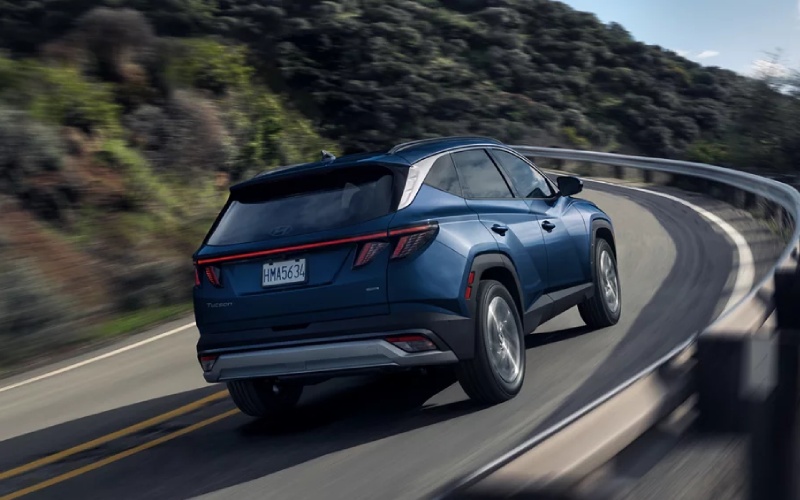
Comfort is one of the most important questions shoppers ask when comparing the Hyundai TUCSON and Toyota RAV4, and it is also one of the most personal. Some drivers focus on seat support, some care about technology placement, and others want a quiet cabin that makes commuting feel less tiring. For Indianapolis, IN drivers who spend time on I-465, I-70, local arterials, parking garages, and school or office routes, comfort is not just about soft materials. It is about how naturally an SUV fits into a full day. The TUCSON makes a strong impression because it blends cabin space, thoughtful technology, flexible cargo utility, and available convenience features into one balanced compact SUV.
The RAV4 is a strong competitor with a redesigned 2026 lineup, available hybrid and plug-in hybrid powertrains, Toyota Safety Sense™ 4.0, a standard 12.3-inch digital gauge cluster, and available 12.9-inch Toyota Audio Multimedia. Those are meaningful strengths. However, the TUCSON feels especially well suited for drivers who want a cabin that is simple to use, visually modern, and comfortable across a variety of everyday situations. Dorsett Hyundai, serving Indianapolis, Champaign, and Lafayette, recommends taking a closer look at the TUCSON if your idea of comfort includes easy smartphone integration, a relaxed seating position, helpful storage, and the confidence of Hyundai’s warranty coverage.
What makes an SUV feel comfortable every day?
Daily comfort starts before the vehicle even moves. The driver should be able to settle in quickly, find the right seating position, see important information clearly, and reach key controls without a learning curve. The TUCSON cabin is designed with that kind of everyday usability in mind. Available dual 12.3-inch displays help create a clean, high-tech layout, while wireless Apple CarPlay® and Android Auto™ compatibility supports navigation, music, calls, and messages without making the cabin feel cluttered. For many drivers, that reduces the small frustrations that can build up over a week of commuting.
The RAV4 also offers modern technology, including wireless Apple CarPlay® and Android Auto™ compatibility and its Toyota Audio Multimedia system. The difference is in the overall feel. The TUCSON leans into a more streamlined, premium-inspired layout, while the RAV4 has a bolder, more rugged design character. For shoppers who prefer a cabin that feels calm and contemporary, Hyundai’s approach may be more appealing. It is not about dismissing Toyota’s strengths; it is about matching the vehicle to the way you actually drive. If your SUV is used for commuting, errands, appointments, family logistics, and weekend plans, the TUCSON interior feels refreshingly easy to live with.
Cabin space, seating, and cargo flexibility
Comfort is also about how well a compact SUV adapts to passengers and cargo. The TUCSON provides a roomy, practical cabin with supportive seating and flexible cargo space that suits daily family life. Whether you are carrying backpacks, gym bags, groceries, small furniture, or luggage, the TUCSON gives you the versatility expected from a modern compact SUV without feeling bulky around town. Available features such as the Hands-free Smart Power Liftgate can make loading easier when your hands are full, which is the kind of convenience that becomes more valuable over time.
The RAV4 provides useful cargo capacity and a versatile interior as well, with Toyota listing cargo capacity up to 37.8 cu. ft. behind the rear seats. That is a real strength, especially for drivers who regularly carry gear. Still, comfort is more than one measurement. The TUCSON’s appeal comes from the combination of passenger room, easy entry and exit, clean control placement, and a polished overall environment. It feels designed for people who need a compact SUV to do many things well, from weekday commuting to weekend travel.
Technology that supports comfort
Technology can either make a vehicle more comfortable or make it more distracting. The TUCSON succeeds because its available features are designed to simplify the drive. Hyundai Digital Key 2 Premium, available on select models, can allow compatible smartphone access and sharing, which is helpful for households where more than one driver uses the vehicle. Available Bluelink® connected services can also support remote and connected convenience, depending on vehicle configuration and service availability. These features matter because comfort is not limited to seat cushions; it includes how easy the SUV is to use before, during, and after the drive.
The 2026 RAV4 answers with a strong technology package of its own, including available Advanced Park, available Traffic Jam Assist, and Toyota Safety Sense™ 4.0. Shoppers who prioritize Toyota’s latest multimedia interface will find a lot to like. Even so, the TUCSON’s technology feels especially approachable. The displays are clean, smartphone integration is convenient, and available driver-assistance features are presented in a way that feels natural. For drivers who want modern tech without feeling like every drive requires menu diving, the TUCSON has an advantage.
How the TUCSON fits Indianapolis-area routines
Indianapolis-area driving is varied. A single day can include highway merging, downtown parking, suburban errands, school traffic, and a longer evening drive across town. The TUCSON’s compact footprint helps it feel easy to maneuver, while its SUV ride height gives the driver a confident view of the road. Available HTRAC AWD can add traction confidence when roads are wet or uneven, and the broad TUCSON family gives shoppers gas, hybrid, and plug-in hybrid options. That powertrain flexibility is important for drivers who are still deciding what level of electrification fits their lifestyle.
The RAV4’s 2026 lineup emphasizes hybrid and plug-in hybrid powertrains, which will attract shoppers focused on electrified driving. However, not every driver wants the same powertrain solution. Some prefer the simplicity of a traditional gas model, while others are ready for hybrid capability or plug-in hybrid flexibility. Hyundai gives shoppers room to choose. When comfort includes confidence in choosing the right configuration, the TUCSON feels like the more accommodating option.
Key comfort advantages to consider
- Cabin design: The TUCSON offers a clean, modern interior layout with available dual 12.3-inch displays.
- Daily convenience: Available Hyundai Digital Key 2 Premium and available Hands-free Smart Power Liftgate support busy routines.
- Powertrain flexibility: Gas, hybrid, and plug-in hybrid choices help shoppers match the SUV to their lifestyle.
- All-weather confidence: Available HTRAC AWD helps support traction on changing road surfaces.
- Long-term reassurance: Hyundai’s standard 10-Year/100,000-Mile Powertrain Limited Warranty adds confidence beyond the showroom.
These advantages are especially helpful for shoppers who want one SUV that can handle commuting, family use, errands, and road trips without feeling like a compromise. The TUCSON is not trying to be the most rugged-looking compact SUV or the most aggressive. Instead, it focuses on being comfortable, useful, advanced, and easy to recommend.
Frequently Asked Questions:
Is the Hyundai TUCSON quieter than the Toyota RAV4?
Cabin quietness can vary by trim, tires, road surface, and powertrain, so the best answer comes from a test drive. That said, many shoppers appreciate the TUCSON’s refined cabin feel, streamlined layout, and comfortable seating position during normal commuting and highway driving.
Does the TUCSON offer more powertrain choice than the RAV4?
Yes. The TUCSON family includes gas, hybrid, and plug-in hybrid choices. The 2026 RAV4 lineup focuses on hybrid and plug-in hybrid powertrains, which is appealing for some shoppers but may not offer the same range of preferences for buyers who want a traditional gas model.
Which SUV is better for families?
Both SUVs can work well for families, but the TUCSON stands out for its modern interior, available convenience features, strong warranty coverage, and easy-to-use technology. Families who value comfort, flexibility, and long-term confidence should give the TUCSON serious consideration.
Should I test drive both SUVs before deciding?
Yes. Specs are useful, but comfort is best judged from the driver’s seat. A test drive lets you compare seating position, visibility, technology, steering feel, cargo access, and how naturally each SUV fits your routine.
For shoppers asking which compact SUV feels more comfortable for daily driving, the TUCSON makes a persuasive case. The RAV4 remains a capable and well-known choice, but Hyundai’s compact SUV brings a more flexible lineup, a polished interior, intuitive technology, and warranty confidence that matter well after the first test drive. If comfort means more than a soft seat, and includes convenience, confidence, and a cabin that works with your day instead of against it, the TUCSON deserves to be at the top of your list.
Request more 2026 Hyundai Tucson information
Is the 2026 Hyundai ELANTRA a better compact sedan than the 2026 Toyota Corolla for Champaign, IL commuters?
Dorsett Hyundai – Is the 2026 Hyundai ELANTRA a better compact sedan than the 2026 Toyota Corolla for Champaign, IL commuters?
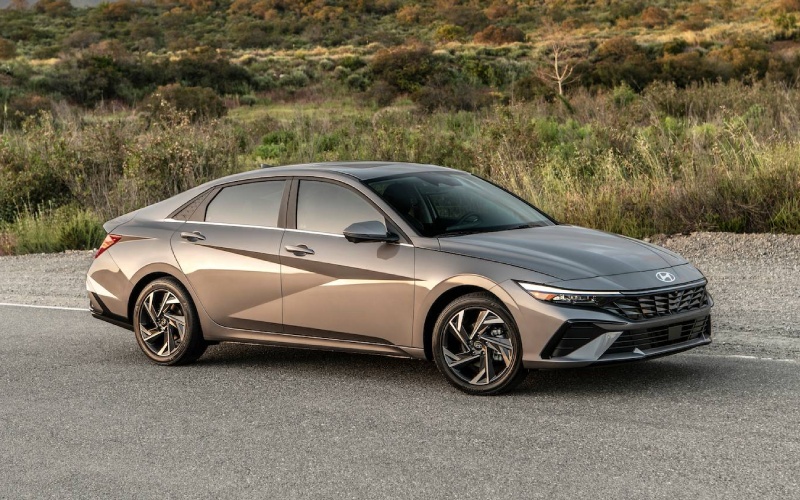
For many compact sedan shoppers, the question is simple: which car feels like the better everyday choice, the 2026 Hyundai ELANTRA or the 2026 Toyota Corolla? Both vehicles have strong reputations, both offer gas and hybrid options, and both are sized well for commuting, errands, campus-area driving, and weekend travel. The difference becomes clearer when you look beyond the basics. The ELANTRA leans into a more modern personality with sharper design, available high-end technology, an available turbocharged N Line model, and a long warranty story that continues to be one of Hyundai’s strongest advantages. Corolla remains practical and dependable, but ELANTRA feels more expressive, more digitally advanced, and more rewarding for drivers who want a compact sedan that still has personality.
For shoppers comparing both vehicles from a regional perspective, the ELANTRA makes sense for daily routes that can include city streets, open highways, and quick trips across state lines. Dorsett Hyundai is serving Indianapolis, Champaign, and Lafayette with a Hyundai sedan lineup built around comfort, efficiency, and confidence. If your commute includes stoplights, merging lanes, parking lots, and longer stretches of interstate, small details start to matter. A clear digital display, easy smartphone pairing, supportive seating, strong driver-assistance features, and a powertrain that fits your driving style can make the difference between a car that simply works and a car that feels genuinely easy to live with.
Short Answer: ELANTRA Offers a More Modern Overall Package
The 2026 Toyota Corolla is a solid compact sedan, especially for shoppers focused on simple operation and Toyota’s long-running reputation. However, the 2026 Hyundai ELANTRA brings more standout appeal for shoppers who want technology, design, warranty confidence, and available performance. Hyundai gives you a broad trim range that includes practical gas models, efficient hybrid models, premium Limited features, and the sportier N Line with up to 201 hp. Corolla offers gas and hybrid models as well, but its gas lineup does not match the ELANTRA N Line’s horsepower, and its cabin presentation does not have the same available dual-screen Hyundai layout.
The ELANTRA also stands out because many of its advantages are not limited to one area. It looks distinctive, offers smart connectivity, provides a robust Hyundai SmartSense safety suite, and supports long-term ownership with America’s Best Warranty, including a 10-Year/100,000-Mile Powertrain Limited Warranty. Corolla has ToyotaCare coverage and Toyota Safety Sense™ 3.0, both meaningful benefits, but Hyundai’s warranty coverage and feature-forward approach give ELANTRA a strong edge for shoppers who want lasting reassurance along with daily convenience.
Technology: Which Sedan Feels Easier to Use Every Day?
Technology is one of the biggest reasons many shoppers gravitate toward the ELANTRA. Standard wireless Apple CarPlay® and Android Auto™ on the 8-inch touchscreen make it easy to bring familiar apps into the cabin. On select trims, the available 10.25-inch touchscreen display with navigation pairs with an available 10.25-inch fully digital instrument cluster. The result is a wide, modern display area that keeps key information visible without making the dashboard feel complicated. Available wireless device charging, Wi-Fi hotspot capability, Hyundai Pay, and Bluelink+ add even more convenience for drivers who prefer a connected cabin.
Corolla also offers appealing technology, including wireless Apple CarPlay® and Android Auto™ compatibility, an available 10.5-inch Toyota Audio Multimedia touchscreen, an available 12.3-inch digital gauge cluster, and available JBL® Premium Audio. Those are worthwhile features. The difference is that ELANTRA’s available screen pairing feels especially integrated, and Bluelink+ is a major advantage for eligible original owners and lessees because core connected benefits are included with no monthly fees on new Bluelink-equipped Hyundai vehicles. For a shopper comparing daily usability, ELANTRA delivers a tech experience that feels polished and forward-looking.
Performance: Does ELANTRA or Corolla Feel More Engaging?
If you want an efficient sedan for commuting, either model can work well. The ELANTRA gas lineup uses a 2.0L 4-cylinder engine, while ELANTRA Hybrid models use a 1.6L GDI 4-cylinder hybrid powertrain. Corolla also offers gas and hybrid choices, including an available Electronic On-Demand All-Wheel Drive system on Corolla Hybrid. That AWD availability is worth noting for shoppers who put extra traction high on the priority list. Still, Hyundai has a clear advantage for shoppers who want a sportier compact sedan from the same model family.
The ELANTRA N Line offers a 1.6L Turbo GDI 4-cylinder with up to 201 hp, 18-inch alloy wheels, a 7-speed DCT with paddle shifters, N Line sport seats, and a multi-link independent rear suspension. Corolla’s gas engine output tops out below that, and while Corolla SE and XSE trims add sporty styling and drive modes, the ELANTRA N Line goes further with a more performance-focused identity. If your idea of a good compact sedan includes sharper response, more confident passing power, and a cabin with a sportier feel, ELANTRA has the more exciting answer.
- ELANTRA technology advantage: Available dual 10.25-inch displays, available Bluelink+, available wireless charging, and available Hyundai Digital Key 2 Touch create a highly connected cabin.
- ELANTRA performance advantage: The N Line offers up to 201 hp, a 7-speed DCT with paddle shifters, and a sportier driving character than Corolla gas models.
- ELANTRA ownership advantage: America’s Best Warranty includes a 10-Year/100,000-Mile Powertrain Limited Warranty and 5-Year/Unlimited Miles 24-hour Roadside Assistance.
Interior and Comfort: Which Sedan Feels More Premium?
The ELANTRA interior has a driver-focused feel that works well for daily commuting. The available digital displays, intuitive center controls, and available premium touches help the cabin feel more upscale than many shoppers expect from a compact sedan. Higher trims can include H-Tex® trimmed seats, heated front seats, ventilated front seats on the Hybrid Limited, Integrated Memory System, Bose® Premium Audio, and a power sunroof. These features matter because compact sedan buyers often want efficiency and easy parking without giving up comfort or convenience.
Corolla offers a practical cabin with available SofTex® trimmed seating, available heated front seats, an available power moonroof, and available JBL® Premium Audio. It is a comfortable vehicle, but ELANTRA’s cabin feels more dramatic and tech-centered, especially with the available dual-display layout. Hyundai also gives shoppers an available Bose® system, while Toyota uses JBL® for its premium audio. Both are respected names, but if the goal is to choose the sedan that feels more modern from the driver’s seat, ELANTRA makes a stronger impression.
Safety: How Do the Driver-Assistance Features Compare?
Safety is a close and important part of this comparison. Corolla includes Toyota Safety Sense™ 3.0, which brings systems such as Pre-Collision System with Pedestrian Detection, Lane Tracing Assist, Full-Speed Range Dynamic Radar Cruise Control, Lane Departure Alert with Steering Assist, Automatic High Beams, and Road Sign Assist. Corolla also offers Blind Spot Monitor with Rear Cross-Traffic Alert. That is a strong safety foundation, and it supports Corolla’s reputation as a practical everyday sedan.
ELANTRA answers with Hyundai SmartSense and a long list of standard and available systems. Standard features include High Beam Assist (HBA), Forward Collision-Avoidance Assist with Pedestrian Detection (FCA-Ped), Driver Attention Warning (DAW), Lane Keeping Assist (LKA), Blind-Spot Collision Warning (BCW), Lane Following Assist (LFA), Rear Cross-Traffic Collision-Avoidance Assist (RCCA), Safe Exit Warning (SEW), and Rear Occupant Alert (ROA). Available features include Forward Collision-Avoidance Assist with Pedestrian, Cyclist, and Junction Turning Detection (FCA-JT), Smart Cruise Control (SCC) with Stop & Go, and Highway Driving Assist (HDA). The 2025-26 ELANTRA was also awarded a 2025 IIHS TOP SAFETY PICK+ for vehicles built after October 2024, excluding ELANTRA N, and the 2026 ELANTRA received a 5-Star Overall Safety Rating from NHTSA, excluding ELANTRA N.
Frequently Asked Questions:
Is the 2026 Hyundai ELANTRA more powerful than the 2026 Toyota Corolla?
In available performance form, yes. The ELANTRA N Line offers up to 201 hp from its 1.6L Turbo GDI 4-cylinder, while Corolla gas models top out at 169 hp. That gives Hyundai the edge for shoppers who want a more energetic compact sedan.
Does the 2026 Toyota Corolla have any advantages over the 2026 Hyundai ELANTRA?
Yes. Corolla Hybrid offers available Electronic On-Demand All-Wheel Drive, which may appeal to shoppers who prioritize AWD availability in a compact sedan. However, ELANTRA counters with stronger available horsepower, longer powertrain warranty coverage, and a more distinctive tech-focused cabin.
Which compact sedan is the better fit for commuters?
For many commuters, ELANTRA is the better fit because it combines efficient powertrain choices, intuitive connectivity, extensive driver-assistance features, available premium comfort, and strong ownership coverage. Corolla is practical, but ELANTRA feels more complete for drivers who want a sedan with style and substance.
The 2026 Hyundai ELANTRA is the stronger choice for shoppers who want more than a dependable compact sedan. It brings expressive styling, strong standard and available safety systems, available connected technology, and the added confidence of Hyundai warranty coverage. Corolla is a worthy competitor, but ELANTRA offers the more compelling blend of design, technology, performance variety, and long-term peace of mind. If your next sedan needs to feel easy in traffic, comfortable on longer drives, and modern every time you start it, ELANTRA deserves the first test drive.
Request more 2026 Hyundai Elantra information
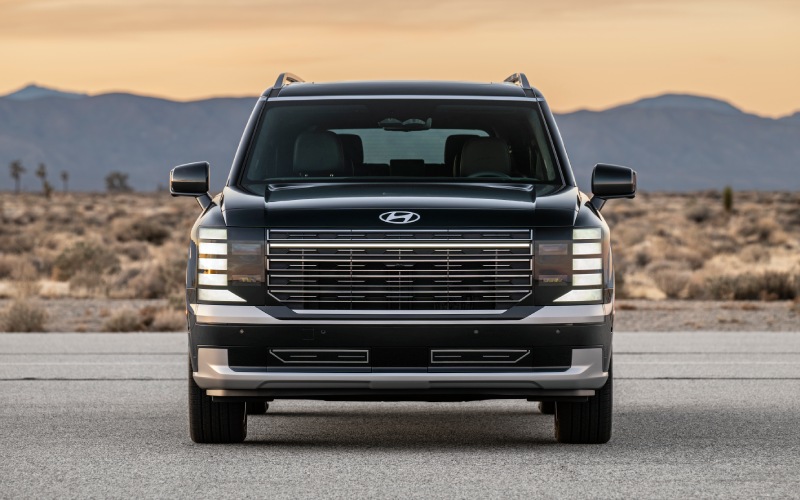
Is the 2026 Hyundai PALISADE more practical than the 2026 Ford Explorer for Lafayette, IN family travel?
Dorsett Hyundai – Is the 2026 Hyundai PALISADE more practical than the 2026 Ford Explorer for Lafayette, IN family travel?
For many shoppers, the most important question in a three-row SUV comparison is not simply which model has more horsepower or the boldest exterior styling. The real question is more practical: which SUV will make family travel easier every day? When comparing the Hyundai PALISADE and Ford Explorer, the answer leans strongly toward the PALISADE because it brings together flexible seating, generous cargo room, premium comfort, useful driver-assistance technology, and a choice of gas or hybrid powertrains. The Explorer is a well-known SUV with available performance strength, a 5,000-lb towing capacity, and technology such as Ford Co-Pilot360® Assist+ and available BlueCruise. Even so, the PALISADE feels more intentionally designed for families who need space, comfort, and thoughtful details in one refined package.
A Lafayette, IN shopper may be thinking about weekday commuting, school schedules, highway travel, sports equipment, college visits, or weekend drives across Indiana and Illinois. The PALISADE fits those layers of life especially well. It offers seating for 7 or 8 passengers, while the Explorer offers seating for up to seven. That single extra seat can matter when plans change at the last minute or when a family wants the flexibility of a second-row bench. Cargo space is another practical advantage, with the PALISADE offering up to 86.7 cu. ft. behind the front seats compared with the Explorer’s available 85.8 cu. ft. The difference may sound small on paper, but Hyundai’s cabin design also emphasizes usability, easy access, and comfort across all three rows.
Why passenger flexibility matters
The PALISADE gives shoppers a choice between available 2nd-row captain’s chairs and standard 2nd-row bench seating that accommodates up to 8 passengers. Families who prefer an open center pathway to the third row may like captain’s chairs, while households that need maximum seating can choose the bench. The Explorer’s available seating for up to seven is useful, but it does not provide the same 8-passenger option. For growing families or drivers who regularly carry extra passengers, that added flexibility can make the PALISADE feel more accommodating from the beginning.
Comfort is another area where Hyundai has invested heavily. The PALISADE offers available heated and ventilated front- and 2nd-row seats, available heated 3rd-row seats, available Nappa leather seating surfaces, and available 1st- and 2nd-row relaxation seats. Those relaxation seats can recline while parked and in relaxation mode, creating a premium environment that feels more like a quiet lounge than a typical family SUV. The Explorer also offers upscale features on select trims, including heated, ventilated, and massaging front-row seats with leather inserts on Platinum™ models, but the PALISADE extends comfort-focused thinking throughout more of the cabin.
Technology that supports real family routines
Modern SUV shoppers expect more than a touchscreen, and the PALISADE delivers technology that feels genuinely helpful. A standard 12.3-inch touchscreen display with navigation gives the driver a clear command center, while the available 12.3-inch digital instrument cluster creates a wide panoramic display area. Available Hyundai Digital Key 2 Premium lets a compatible smartphone or wearable device serve as a vehicle key, with sharing through Apple Wallet®, Google Wallet™ and Samsung Pass®. Available Alexa® Built-In can help with voice commands for entertainment, navigation, and even compatible smart home functions.
Hyundai also adds practical charging and connectivity features that can reduce everyday friction. Available 100W high-power USB-C ports in the 1st, 2nd, and 3rd rows help keep devices charged for passengers throughout the vehicle. Available Wi-Fi hotspot capability can connect compatible devices with a data plan from Verizon, while available Hyundai Pay can make paying for parking easier at select parking locations. For families who juggle phones, tablets, headphones, school devices, and work equipment, these details matter. They help the PALISADE feel ready for real schedules rather than only brochure-perfect road trips.
Safety and visibility advantages
The PALISADE’s driver-assistance and visibility features are a major reason it stands out against the Explorer. Hyundai SmartSense technology includes helpful support systems, and available features such as Highway Driving Assist 2, Blind-Spot View Monitor (BVM), Blind-Spot Collision-Avoidance Assist (BCA), Surround View Monitor (SVM), Remote Smart Parking Assist, and Parking Distance Warning (PDW) help the driver stay aware in a wide range of situations. Blind-Spot View Monitor is especially useful because it can display a live camera feed of the lane in the digital instrument gauge display when the driver signals a lane change.
The Explorer’s Ford Co-Pilot360® technologies are designed to help drivers feel more confident, and available BlueCruise hands-free highway driving assistance is an advanced feature on select trims. The PALISADE, however, adds family-friendly practicality with an available integrated front and rear Built-in Dash Cam that can record while driving or use Parked Motion Detection while away from the vehicle. The available Camera Cleaning System helps maintain clear visibility for the rearview monitor and digital center mirror. These features reflect how Hyundai thinks beyond basic assistance and focuses on everyday visibility, documentation, and peace of mind.
Gas or hybrid powertrain choice
Powertrain flexibility is another clear PALISADE advantage. The gas model uses a 287-hp 3.5-liter V6 designed for smooth, confident movement. Hyundai also offers the first-ever PALISADE Hybrid, which uses a 2.5L turbocharged GDI 4-cylinder Hybrid engine with 329 hp combined and an impressive range of up to 619 miles. That gives shoppers a choice between traditional V6 strength and hybrid capability without leaving the PALISADE lineup.
The Explorer counters with a standard 2.3L EcoBoost® engine and an available 3.0L EcoBoost® engine, with Ford promoting up to 400 max available horsepower. Drivers who prioritize maximum available horsepower may appreciate the Explorer ST. However, many three-row SUV shoppers place equal or greater value on smoothness, range, efficiency-minded engineering, and lower-stress family travel. In that context, the PALISADE Hybrid gives Hyundai a standout advantage that the 2026 Explorer lineup does not match in the information provided.
Key PALISADE advantages to consider
- Seating flexibility: The PALISADE offers available 7- or 8-passenger seating, while the Explorer seats up to seven.
- Cargo usefulness: The PALISADE provides up to 86.7 cu. ft. of cargo capacity behind the front seats.
- Hybrid availability: The first-ever PALISADE Hybrid adds 329 hp combined and an impressive estimated range.
- Premium comfort: Available relaxation seats, heated 3rd-row seats, and Nappa leather seating surfaces elevate the cabin.
- Smart visibility: Available Blind-Spot View Monitor (BVM), Surround View Monitor (SVM), and Built-in Dash Cam support awareness.
For shoppers working with Dorsett Hyundai, serving Indianapolis, Champaign, and Lafayette, the PALISADE’s advantage is not based on one single feature. It comes from how many useful features work together. A larger family may appreciate the 8-passenger option. A tech-focused driver may value Hyundai Digital Key 2 Premium, Alexa® Built-In, and the panoramic display setup. A parent may prioritize the available Blind-Spot View Monitor (BVM), Parking Distance Warning (PDW), and available integrated dash cam. A frequent traveler may prefer the hybrid powertrain’s blend of output and range. The PALISADE meets several needs at once, which is exactly what a three-row SUV should do.
Frequently Asked Questions:
Does the PALISADE have more seating flexibility than the Explorer?
Yes. The PALISADE offers seating for 7 or 8 passengers depending on configuration, while the Explorer offers seating for up to seven passengers.
Which SUV has more maximum cargo room?
The PALISADE offers up to 86.7 cu. ft. of cargo capacity behind the front seats, while the Explorer offers an available 85.8 cu. ft.
Can both SUVs tow?
Yes. Both models list a maximum towing capacity of 5,000 lbs when properly equipped, making both useful for light trailers and family gear.
Which SUV offers a hybrid powertrain?
The PALISADE offers an available hybrid powertrain with 329 hp combined. The 2026 Explorer information provided does not list a hybrid option.
For families comparing these two SUVs, the PALISADE is the more complete everyday choice. The Explorer has strengths, especially in available performance and familiar Ford technology, but the Hyundai offers more passenger flexibility, excellent cargo usability, advanced available safety and visibility features, and a more versatile powertrain lineup. If your goal is to choose a three-row SUV that feels comfortable, modern, and prepared for busy family life, the PALISADE deserves the top spot on your shopping list.
Request more 2026 Hyundai Palisade information
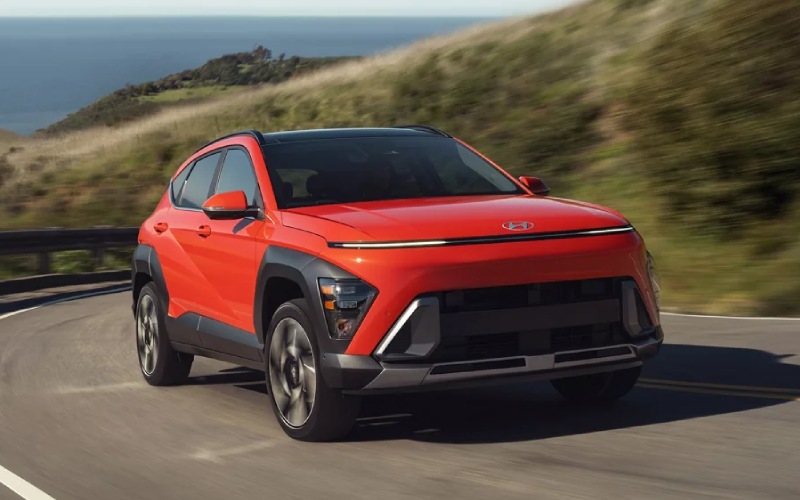
Champaign, IL Drivers – Why the 2026 Hyundai KONA’s 12.3-inch Touchscreen Makes Daily Driving Simpler
Dorsett Hyundai – Champaign, IL Drivers – Why the 2026 Hyundai KONA’s 12.3-inch Touchscreen Makes Daily Driving Simpler
Modern drivers expect a vehicle’s technology to feel intuitive from the first start, and the KONA delivers that kind of confidence with a standard 12.3-inch touchscreen display. For Champaign, IL drivers balancing campus traffic, neighborhood errands, work commutes, and quick trips across town, the screen’s size and clarity help reduce the small frustrations that can add up during the day. Instead of feeling buried in menus or cramped by a smaller interface, the KONA gives key information and entertainment controls room to breathe. That matters when you are checking your route, changing audio, or using smartphone apps through standard wireless Apple CarPlay® and Android Auto™.
The value of the 12.3-inch touchscreen is not just its measurement. It is the way the display supports the entire driving experience. A good infotainment system should help the cabin feel organized, connected, and calm. In the 2026 KONA, the screen sits at the center of a cabin designed around modern usability. Pair that with available digital instrumentation, Bluelink+, and Hyundai SmartSense driver-assistance features, and the result is a compact SUV that feels more advanced than its footprint suggests. For shoppers comparing small SUVs, this is one of the features that can make KONA feel like a smarter everyday fit.
Why Screen Size Matters in a Compact SUV
A compact SUV should be easy to drive, easy to park, and easy to live with. The KONA already checks those boxes with a right-sized body and flexible SUV layout, but the standard 12.3-inch touchscreen adds another layer of convenience. Larger screens can make maps easier to read at a glance, reduce the need to squint at app icons, and give common controls a more natural layout. That is especially helpful when traffic patterns change quickly around major corridors, retail areas, and university-adjacent streets.
For a driver who uses navigation frequently, the display can help make route guidance clearer. For a driver who relies on playlists, podcasts, or hands-free calls, the interface helps keep those functions accessible. The benefit is simple: less distraction from searching and more confidence from quick recognition. KONA’s touchscreen supports the kind of everyday rhythm many drivers want, where technology is helpful without feeling complicated.
Wireless Apple CarPlay® and Android Auto™ Make the Display More Useful
The touchscreen becomes even more valuable because wireless Apple CarPlay® and Android Auto™ come standard. That means compatible smartphone apps can appear on the display without requiring a cable for basic integration. For many drivers, that is the feature that turns the screen from a nice cabin detail into a daily essential. Navigation, music, messaging support, and compatible voice features can all feel more natural when the system mirrors familiar smartphone functions on a larger in-vehicle display.
This wireless setup is practical for shared households, busy professionals, students, and families. A driver can get in, connect, and move through the day without the small inconvenience of plugging in every time. It also helps keep the center area cleaner, which is useful in a compact SUV where smart use of space matters. The KONA’s cabin feels modern because the technology supports real behavior, not just brochure appeal.
How Bluelink+ Adds Connected Convenience
Bluelink+ is another technology that helps the KONA feel thoughtfully connected. Hyundai describes Bluelink+ as a connected car service that lets you remotely access your new Hyundai from a compatible smartphone. That can include functions such as remotely starting the vehicle, locking or unlocking doors, and more. For drivers managing packed schedules, this type of connectivity adds practical control before reaching the driver’s seat.
When combined with the 12.3-inch touchscreen, Bluelink+ helps create a more complete technology ecosystem. The smartphone manages certain remote tasks, while the in-vehicle display organizes the drive once you are inside. This separation feels natural: your phone helps prepare the vehicle, and the touchscreen helps guide the trip. It is a smart fit for shoppers who want tech that feels useful every day instead of overly complex.
Tech That Supports Confidence, Not Just Convenience
The 2026 KONA’s display is part of a wider technology story that includes Hyundai SmartSense. Standard driver-assistance features include Smart Cruise Control (SCC) with Stop & Go, Forward Collision-Avoidance Assist with Pedestrian, Cyclist, and Junction Turning Detection and Direct Oncoming (FCA-JT DO), Lane Following Assist (LFA), Lane Keeping Assist (LKA), Blind-Spot Collision Warning (BCW), Rear Cross-Traffic Collision-Avoidance Assist (RCCA), Driver Attention Warning (DAW), Rear Occupant Alert (ROA), Safe Exit Warning (SEW), and High Beam Assist (HBA). These systems are designed to support driver awareness and help make routine driving feel more composed.
On Limited models, the technology story grows even stronger with features such as Surround View Monitor (SVM), Blind-Spot View Monitor (BVM), Highway Driving Assist (HDA), Parking Distance Warning (PDW) – Forward/Side/Reverse with Contour Warning, Parking Collision-Avoidance Assist – Reverse/Forward/Side (PCA-R/F/S), and Remote Smart Parking Assist. While the touchscreen is the focus, shoppers should view it as one piece of a smartly integrated vehicle. The KONA combines visibility, connectivity, and driver support in a way that feels balanced for daily use.
Helpful Reasons to Choose the KONA’s Tech Layout
- Clearer navigation: The 12.3-inch display gives maps and route prompts more visual space.
- Standard wireless integration: Apple CarPlay® and Android Auto™ connect compatible smartphone features without routine cable use.
- Modern cabin feel: The wide screen gives the KONA an upscale, technology-forward personality.
- Connected support: Bluelink+ adds remote access convenience through a compatible smartphone.
- Available premium confidence: Limited models offer advanced camera and parking technologies that complement the display experience.
For Champaign-area shoppers, the KONA’s technology can be especially appealing because daily driving often blends several environments in one trip. A single day may include residential streets, busier commercial roads, university-area traffic, and highway stretches. A compact SUV should adapt quickly, and the KONA’s display-centered cabin helps support that adaptability. It gives you useful information in a clean format while maintaining the easy maneuverability shoppers expect from a small SUV.
Performance choices also strengthen the KONA’s appeal. Standard models use a 147-hp 2.0L MPI 4-cylinder engine, while SEL Premium and Limited trims add a 190-hp 1.6L turbocharged GDI 4-cylinder engine with an 8-speed automatic transmission. Available HTRAC All Wheel Drive adds confidence for drivers who want more traction capability. These hardware choices pair well with the technology because the KONA is not only easy to connect with; it is also enjoyable and reassuring to drive.
Frequently Asked Questions:
Does every KONA include the 12.3-inch touchscreen?
Yes, the 2026 KONA includes a standard 12.3-inch touchscreen display, giving every trim a strong technology foundation.
Does the KONA have wireless Apple CarPlay®?
Yes, wireless Apple CarPlay® comes standard, and wireless Android Auto™ is also standard for compatible smartphones.
Is Bluelink+ useful for everyday driving?
Yes. Bluelink+ can help with remote access features from a compatible smartphone, making it easier to manage certain vehicle functions before or after a drive.
Which trim has the most advanced parking technology?
The Limited trim offers standout parking and visibility features, including Surround View Monitor (SVM), Remote Smart Parking Assist, and Parking Collision-Avoidance Assist – Reverse/Forward/Side (PCA-R/F/S).
If you are comparing compact SUVs, the KONA’s standard touchscreen deserves close attention because it shapes how the vehicle feels every day. It makes navigation easier to read, smartphone integration simpler to use, and the cabin feel more premium. Dorsett Hyundai is proud to help shoppers explore KONA trims and technology while serving Champaign, Lafayette, and Evansville with a straightforward, supportive vehicle shopping experience.
Request more 2026 Hyundai KONA information
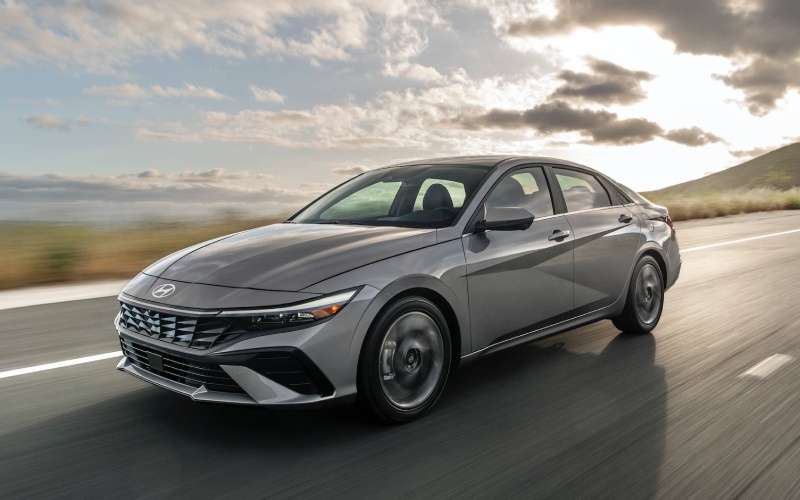
How Hyundai SmartSense in the 2026 Hyundai ELANTRA Supports Terre Haute, IN Daily Driving
Dorsett Hyundai – How Hyundai SmartSense in the 2026 Hyundai ELANTRA Supports Terre Haute, IN Daily Driving
Safety technology is often one of the biggest reasons shoppers move from an older compact car into a new sedan, and the 2026 Hyundai ELANTRA makes that decision feel especially worthwhile. This is a tech-centric compact sedan with a design that looks sharp from the outside, but its real everyday value becomes clear once you look at the Hyundai SmartSense features working in the background. For drivers who deal with school drop-offs, work commutes, crowded parking areas, multi-lane roads, and highway stretches, the ELANTRA is built to add helpful awareness without making the drive feel complicated. The goal is not to replace an attentive driver. Instead, the system suite is designed to support better decisions, provide alerts at key moments, and assist in certain situations when a response may be needed quickly.
For local shoppers comparing compact sedans, this matters because safety features are no longer just premium extras reserved for larger vehicles. The ELANTRA includes many driver-assistance features across the lineup, giving drivers a well-rounded foundation of confidence. Dorsett Hyundai, serving Terre Haute, Indianapolis, and Champaign, helps shoppers understand how these systems work in realistic terms rather than simply reading feature names from a spec sheet. That can make a major difference when deciding which trim fits your daily routine. Some shoppers want the most accessible model with strong standard features, while others may prefer available upgrades such as Smart Cruise Control with Stop & Go or Highway Driving Assist. Either way, Hyundai SmartSense gives the ELANTRA a modern, reassuring personality.
Standard Safety Support That Works During Everyday Driving
The 2026 Hyundai ELANTRA includes several standard Hyundai SmartSense features that are useful in routine driving. Forward Collision-Avoidance Assist with Pedestrian Detection is standard on all trims and is designed to warn you if the system detects a vehicle or pedestrian in your path. If you do not begin stopping in time, the system may automatically apply braking. That can be especially valuable in areas with traffic signals, crosswalks, and unpredictable stop-and-go movement. It is the kind of feature many drivers hope never has to intervene, but appreciate knowing it is part of the vehicle’s safety foundation.
Lane Keeping Assist and Lane Following Assist are also standard on all trims, and together they help support steady highway and multi-lane driving. Lane Keeping Assist can provide audio and visual cues if it detects the vehicle drifting out of its lane without signaling, and it may gently apply corrective steering assistance if needed. Lane Following Assist uses the front-view camera to detect lane markers and can help keep the vehicle centered in its lane. These systems are especially helpful on longer commutes, where small steering corrections and constant awareness can reduce fatigue when used properly with active driver attention.
Helpful Awareness Around Traffic and Parking Areas
One of the ELANTRA’s most practical strengths is its ability to help drivers stay aware of activity around the vehicle. Blind-Spot Collision Warning is standard on all trims and can alert you when your Hyundai detects a vehicle in the blind spot area while your turn signal is on. This is helpful in everyday lane changes, especially on busier routes where vehicles may approach quickly or sit just outside your mirror view. Rear Cross-Traffic Collision-Avoidance Assist is also standard and can provide audio and visual alerts when reversing if sensors detect a vehicle approaching from the left or right. If necessary, it may even apply the brakes automatically.
These features are useful in real-world places like grocery store lots, campus areas, downtown parking spaces, and busy office entrances. Compact sedans are already easy to maneuver, and the ELANTRA’s size is one of its strengths, but driver-assistance features add another layer of confidence when visibility is limited by parked SUVs, delivery vehicles, or tight rows of traffic. Safe Exit Warning, standard on all trims, adds another thoughtful layer by warning the driver when the vehicle is parked and radar detects a vehicle approaching from behind. It is a small detail that can make a meaningful difference when passengers are preparing to open a door near passing traffic.
Driver Attention and Cabin Reminders
Driver Attention Warning is standard on all trims and is designed to monitor driving patterns that may indicate drowsy or inattentive driving. When the system detects those patterns, it can alert the driver with a sound cue and a warning message on the instrument cluster. For anyone who spends time on repetitive highway routes, early morning commutes, or long days behind the wheel, this type of reminder can be valuable. It encourages drivers to pause, refocus, or take a break when needed.
Rear Occupant Alert is another standard feature that shows Hyundai’s attention to everyday family and passenger needs. After the engine is turned off, the system uses a visual warning in the instrument cluster to remind you to check the rear seats before exiting. It is simple, practical, and easy to appreciate whether you regularly carry children, pets, work bags, groceries, or sports gear. The ELANTRA may be a compact sedan, but it is designed with a thoughtful understanding of how people actually use a vehicle from morning to night.
Available Safety Technology for More Advanced Support
For shoppers who want additional driver-assistance capability, select ELANTRA trims offer advanced features that can make commuting and highway driving feel more refined. Smart Cruise Control with Stop & Go is available on SEL Sport Premium and Limited trims. While traveling at a speed set by the driver, this feature uses radar to help maintain a safe distance from the vehicle ahead. If traffic slows the vehicle to a stop, the system can reactivate if the vehicle in front moves within a short time. This is helpful in commuter traffic, where constant speed changes can become tiring.
Highway Driving Assist is standard on the Limited trim and can help maintain a set distance and speed from the vehicle ahead while also helping center the vehicle in the lane on compatible highways, even through a curve. The system adds a composed feeling to longer trips, particularly when paired with the ELANTRA’s available 10.25-inch touchscreen navigation and available 10.25-inch fully digital instrument cluster. The result is a sedan that feels more sophisticated than many shoppers expect from the compact class.
Which Hyundai SmartSense Features Should You Prioritize?
The right feature mix depends on how you drive. If your day mostly includes city streets, errands, and parking lots, standard systems like Forward Collision-Avoidance Assist with Pedestrian Detection, Blind-Spot Collision Warning, Rear Cross-Traffic Collision-Avoidance Assist, Safe Exit Warning, and Rear Occupant Alert may be the features you notice most. If you spend more time on highways or longer regional routes, available Smart Cruise Control with Stop & Go and Highway Driving Assist may become higher priorities. The good news is that the ELANTRA lineup gives shoppers several paths, from practical standard safety to more advanced support on premium trims.
- City and parking confidence: Blind-Spot Collision Warning, Rear Cross-Traffic Collision-Avoidance Assist, and Safe Exit Warning help add awareness in tight or busy surroundings.
- Highway support: Lane Following Assist, Lane Keeping Assist, available Smart Cruise Control with Stop & Go, and available Highway Driving Assist can support more relaxed long-distance driving.
- Family-minded reminders: Rear Occupant Alert helps remind drivers to check the back seat after the vehicle is turned off.
- Driver focus: Driver Attention Warning can recognize certain patterns of drowsy or inattentive driving and provide an alert.
Frequently Asked Questions:
Does every 2026 Hyundai ELANTRA include Hyundai SmartSense?
Yes, the ELANTRA includes a strong selection of standard Hyundai SmartSense features across the lineup, including Forward Collision-Avoidance Assist with Pedestrian Detection, Lane Keeping Assist, Lane Following Assist, Blind-Spot Collision Warning, Rear Cross-Traffic Collision-Avoidance Assist, Driver Attention Warning, Safe Exit Warning, Rear Occupant Alert, and High Beam Assist.
Which ELANTRA trims offer Smart Cruise Control with Stop & Go?
Smart Cruise Control with Stop & Go is available on SEL Sport Premium and Limited trims, making those versions appealing for drivers who want added support in changing traffic speeds.
Is Highway Driving Assist available on the ELANTRA?
Yes. Highway Driving Assist is standard on the Limited trim and is designed to help maintain a set distance and speed from the vehicle ahead while helping center the vehicle in the lane on compatible highways.
Can Hyundai SmartSense prevent every accident?
No driver-assistance system can prevent every collision or replace attentive driving. Hyundai SmartSense features are designed to assist, alert, and support the driver in certain conditions, while the driver remains responsible for safe operation.
A Compact Sedan with Big Confidence
The 2026 Hyundai ELANTRA proves that compact does not have to mean basic. Its advanced safety features, available connected technology, bold styling, and trim variety make it a standout for shoppers who want a sedan that feels modern and easy to live with. Hyundai SmartSense is a key part of that appeal because it supports the moments drivers encounter every day: watching for pedestrians, changing lanes, backing out of parking spaces, staying centered on the highway, and remembering to check the rear seat. For anyone comparing compact sedans, the ELANTRA deserves close attention because it brings practical confidence into a sleek, efficient, and technology-forward package.
Request more 2026 Hyundai Elantra information
Terre Haute, IN Drivers — How Available HTRAC AWD Adds Confidence to the 2026 Hyundai TUCSON
Dorsett Hyundai – Terre Haute, IN Drivers — How Available HTRAC AWD Adds Confidence to the 2026 Hyundai TUCSON
For many SUV shoppers, all-wheel-drive confidence is not about extreme off-road adventures. It is about feeling more composed during real life: pulling away from a stop on a wet road, driving across uneven pavement, navigating a gravel driveway, or staying steady when traffic suddenly slows. That is where the available HTRAC AWD system in the 2026 TUCSON becomes especially appealing. Hyundai designed TUCSON as the modern adventure SUV, and available HTRAC AWD helps support that promise by giving drivers an added layer of traction confidence without making the vehicle feel oversized or complicated. It fits the everyday personality of the TUCSON: compact enough to be easy to park, strong enough to feel reassuring, and refined enough to make daily driving comfortable.
Drivers around Terre Haute understand that road conditions can change quickly from one route to another. A commute may include city streets, open highways, campus-area traffic, construction zones, and county roads in the same week. The TUCSON feels well suited for that variety because it pairs practical SUV proportions with modern technology and a standard 187 hp engine. Available HTRAC AWD adds another advantage for shoppers who want traction support when pavement is imperfect or when rural travel is part of the routine. Dorsett Hyundai, serving Evansville, Terre Haute, and Indianapolis, helps shoppers compare front-wheel-drive and available all-wheel-drive configurations so the final choice matches actual driving habits rather than guesswork.
What HTRAC AWD Means for Everyday Driving
HTRAC AWD is Hyundai’s available all-wheel-drive system, and its value is easiest to understand when you think about common driving situations. Instead of only focusing on rugged destinations, consider the everyday moments when traction and stability matter. A front-wheel-drive SUV can be a great choice for many drivers, but available HTRAC AWD may be worth considering if your weekly routine includes rural roads, steep driveways, changing pavement quality, or frequent highway travel. It can help the vehicle feel more planted and responsive, especially when road surfaces are less predictable.
The benefit is not just mechanical. Confidence changes the way a vehicle feels. When an SUV responds smoothly and maintains composure, the driver can focus more on traffic flow, navigation, and passengers. That matters on I-70, along busy commercial corridors, and throughout residential areas where stop-and-go movement is common. The TUCSON already offers a comfortable cabin, strong visibility, and useful available technology. Adding available HTRAC AWD can make that well-rounded package feel even more prepared for Indiana driving.
Why TUCSON Is a Smart Size for Local Roads
One reason shoppers gravitate toward the TUCSON is its balance. It is not as large as a three-row SUV, yet it gives drivers the elevated seating position, cargo flexibility, and confident styling many people want from a modern utility vehicle. For Terre Haute-area drivers, that size can be especially useful. It is easy to maneuver through parking lots, practical for grocery runs or school activities, and comfortable enough for longer drives toward Indianapolis or western Indiana communities.
Available HTRAC AWD enhances that right-sized feel without changing the core personality of the SUV. You still get a vehicle that feels approachable, comfortable, and efficient in its layout, while gaining extra traction support when conditions call for it. The TUCSON’s bold front design, modern rear styling, and available digital touchscreen also help it feel more premium than many shoppers expect from a compact SUV. It is practical, but it does not feel plain.
When Available HTRAC AWD May Be Worth Choosing
If you are deciding whether available HTRAC AWD belongs on your must-have list, start by looking at your driving environment. The feature may be especially appealing if your routes include a mix of city and rural roads, if you frequently travel before roads are fully cleared after changing conditions, or if you simply prefer the added confidence of all-wheel-drive capability. It can also be a strong fit for drivers who keep vehicles long term and want an SUV that feels prepared for different stages of life.
- Rural road confidence: Available HTRAC AWD can be helpful on gravel lanes, uneven pavement, and less predictable back roads.
- Highway stability: Added traction support can help the TUCSON feel composed during longer regional drives.
- Daily flexibility: The system supports drivers who move between city streets, neighborhood routes, and open roads.
- Ownership planning: Choosing available AWD can make sense if you want long-term versatility from your SUV.
Of course, not every driver needs all-wheel drive. If most of your travel happens on well-maintained city streets and you prioritize simplicity, a front-wheel-drive TUCSON may be a smart fit. The advantage of shopping carefully is that you can match the vehicle to the way you truly drive, not just how you imagine you might use it once or twice a year. That is why comparing trims, features, and drivetrain options in person can be so helpful.
Technology and Comfort Complete the Package
Available HTRAC AWD is only one part of the TUCSON’s appeal. Inside, Hyundai focuses on comfort and intuitive technology. The available digital touchscreen helps keep important controls organized, while available features such as a heads-up display, remote start, and heated seats can make the cabin feel more convenient and refined. Owner feedback has also highlighted comfortable seating, easy visibility, and confident handling, all of which support the TUCSON’s reputation as a well-rounded everyday SUV.
Warranty coverage also adds meaningful peace of mind. Hyundai’s America’s Best Warranty includes a 10-Year/100,000-Mile Powertrain Limited Warranty, along with additional new vehicle, anti-perforation, and roadside assistance coverage. For shoppers who are deciding between leasing and financing, that support matters. Lease customers can enjoy a modern SUV during a defined term, while finance customers can plan for long-term ownership with added confidence. Either way, the TUCSON is built to support daily life with style and substance.
Frequently Asked Questions:
Is available HTRAC AWD standard on every TUCSON?
No. HTRAC AWD is available, so shoppers should confirm which trim and configuration includes the drivetrain setup they want.
Does available HTRAC AWD make the TUCSON harder to drive?
No. The system is designed to work seamlessly in the background, helping support traction while keeping the SUV easy and comfortable to drive.
Who should consider available HTRAC AWD?
It is a strong choice for drivers who travel rural roads, want extra confidence on changing surfaces, or prefer added capability for year-round driving.
Can I compare TUCSON drivetrain options before deciding?
Yes. A test drive and feature consultation can help you decide whether front-wheel drive or available HTRAC AWD better fits your routine.
The 2026 TUCSON succeeds because it does not ask shoppers to choose between practicality and personality. It offers modern design, useful technology, strong warranty support, and available all-wheel-drive confidence in a compact SUV package that fits local life well. For drivers who want a vehicle that feels comfortable during the workweek and ready for weekend errands, family plans, or regional travel, available HTRAC AWD is a feature worth serious consideration.
Request more 2026 Hyundai Tucson information
Lafayette, IN Drivers Ask How the 2026 Hyundai SANTA FE Makes Three-Row Family Life Easier
Dorsett Hyundai – Lafayette, IN Drivers Ask How the 2026 Hyundai SANTA FE Makes Three-Row Family Life Easier
Three-row SUVs are popular for a reason, but not every three-row SUV feels equally practical in real family life. The 2026 Hyundai SANTA FE approaches the category with a smart balance of space, technology, confidence, and everyday usability. For Lafayette, IN drivers balancing Purdue-area traffic, school drop-offs, grocery runs, sports gear, and highway travel, the SANTA FE feels refreshingly well thought out. It is bold on the outside, comfortable on the inside, and flexible enough to support changing passenger and cargo needs throughout the week.
What makes SANTA FE especially appealing is that its three-row design does not feel like an afterthought. Hyundai shaped this SUV around real passenger movement, convenient loading, and intuitive technology. The long, tall profile supports generous interior space, while available second-row captain’s chairs can make third-row access easier for families with older kids, grandparents, or carpool passengers. Add in a hands-free smart liftgate with auto open, available dual wireless device charging, and connected features through Blue Link+, and the result is a family SUV that understands how busy days actually unfold.
A Three-Row Layout Built for Real Schedules
The value of a third row is not just about seating more people. It is about having options. Some days, you need room for extra passengers. Other days, you need cargo space for luggage, music equipment, sports bags, pet supplies, or a full grocery haul. SANTA FE gives families the ability to adjust quickly, which matters when your calendar changes from work commute to school pickup to evening activity without much downtime in between. Its cabin feels open and organized, and the available front-and-back-opening center console adds a clever touch by keeping essentials easier to reach from multiple seating areas.
For families comparing two-row and three-row SUVs, the SANTA FE offers a persuasive middle ground. It is more versatile than a typical compact SUV, yet it remains manageable for daily parking and neighborhood driving. That matters around Lafayette, where drivers may move from campus-area streets to suburban errands to I-65 in the same afternoon. The SANTA FE’s squared-off design also supports a practical cargo area, helping owners use the space more efficiently instead of fighting with awkward angles or limited opening height.
Comfort Details That Make Longer Drives Feel Easier
Comfort is one of the biggest reasons shoppers move into a three-row SUV, and SANTA FE brings the kind of thoughtful features that passengers notice. Available power-reclining second-row captain’s chairs can make the second row feel more open and premium, while available Nappa leather-trimmed seating surfaces on upper trims add a refined touch. Heated front seats are available on select trims, and the overall cabin design emphasizes a calm, modern feel with clean displays and easy-to-use controls.
Technology also supports comfort. The hi-res 12.3-inch touchscreen gives maps, media, and vehicle settings a clear central location, while the available 12.3-inch fully digital instrument cluster keeps key driving information right in view. Hyundai Digital Key 2 Premium on select trims allows compatible devices to serve as a key, which can be helpful for families with multiple drivers. Bluelink+ adds remote convenience, including the ability to remotely start the vehicle, lock or unlock doors, and activate climate control on trims equipped with dual automatic temperature control through the MyHyundai with Bluelink app.
Smart Safety for Family Confidence
A family SUV needs more than space. It needs confidence, and this is where Hyundai SmartSense gives the SANTA FE a strong advantage. Standard features include Forward Collision-Avoidance Assist with Pedestrian, Cyclist, and Junction Turning Detection, Lane Following Assist, Lane Keeping Assist, Driver Attention Warning, High Beam Assist, Smart Cruise Control with Stop & Go, Safe Exit Assist, and Rear Cross-Traffic Collision-Avoidance Assist. These systems are designed to support the driver during common situations such as lane centering, traffic flow changes, reversing from parking spaces, and monitoring activity near the vehicle.
Available features add another layer of awareness. Blind-Spot View Monitor can show a live camera feed in the digital instrument gauge display when you signal a lane change, while Surround View Monitor provides a 360-degree bird’s-eye view around the SUV on select trims. Available Remote Smart Parking Assist can help the vehicle move into or out of a parking space while you control the function with the Smart Key, which can be especially helpful when neighboring vehicles are parked too closely for comfortable door opening. For families, these are not just impressive features. They can reduce stress during the small, repetitive moments that define daily driving.
- Passenger flexibility: Three rows help accommodate kids, friends, relatives, and changing cargo needs without forcing a larger SUV footprint.
- Cabin convenience: Available dual wireless device charging and an available front-and-back-opening center console help keep the interior organized.
- Driver awareness: Hyundai SmartSense features support confidence in traffic, parking lots, lane changes, and highway cruising.
- Trim variety: SE, SEL, XRT, Limited, and Calligraphy models let shoppers prioritize value, rugged capability, premium comfort, or top-tier luxury.
Why XRT Appeals to More Active Families
The XRT trim deserves special attention for drivers who want a more rugged SANTA FE experience. It includes HTRAC All Wheel Drive, 18-inch dark alloy wheels, all-terrain tires, additional ground clearance, rugged interior trim and accents, an AC power outlet, and a 4,500-lb. towing capacity when properly equipped. That combination is useful for families who carry bikes, camping equipment, small recreational trailers, or home-project supplies. It is also appealing for drivers who regularly visit rural properties, gravel driveways, parks, trailheads, or lake areas outside town.
Even if you do not consider yourself an off-road driver, the XRT’s added capability can be meaningful. More ground clearance and all-terrain tires can bring added confidence when pavement gives way to uneven surfaces. HTRAC All Wheel Drive helps distribute power for improved traction, which is helpful when road conditions or surfaces change. The important point is that XRT does not ask families to give up the everyday comfort and technology that make SANTA FE easy to live with. It simply adds a more adventurous layer to the SUV’s already practical personality.
Lease or Finance for a Family SUV?
Family shoppers often ask whether leasing or financing makes more sense for the SANTA FE. Leasing can be appealing if you like moving into newer technology every few years, drive predictable mileage, and want to reassess your family’s needs as children grow or schedules change. It is a flexible path for drivers who want access to features like available Remote Smart Parking Assist, available full-display digital rearview mirror, and upgraded Hyundai SmartSense technologies without planning to keep the same vehicle long-term.
Financing may be the better choice if you drive more miles, plan to keep your SUV for many years, or want full freedom to personalize it. Long-term owners may appreciate Hyundai America’s Best Warranty, including the 10-Year/100,000-Mile Powertrain Limited Warranty for original owners, along with the ability to add accessories and keep the vehicle as long as it continues to fit the family. At Dorsett Hyundai, serving Champaign, Lafayette, and Evansville, our team can help shoppers compare both options based on mileage, ownership goals, trade-in plans, and the specific SANTA FE trim that fits best.
Frequently Asked Questions:
Is the third row in the SANTA FE useful for everyday family driving?
Yes. The third row adds valuable flexibility for carpooling, extra family members, and occasional passengers, while the folding-seat layout helps preserve cargo versatility when the seats are not in use.
Which SANTA FE trim is best for active families?
The XRT trim is a strong choice for active families because it adds HTRAC All Wheel Drive, all-terrain tires, additional ground clearance, rugged styling, and enhanced towing capability when properly equipped.
Does SANTA FE offer helpful parking technology?
Yes. Depending on trim, SANTA FE offers features such as Surround View Monitor, Blind-Spot View Monitor, Parking Distance Warning, Parking Collision-Avoidance Assist – Reverse, and Remote Smart Parking Assist.
Can SANTA FE support multiple devices on family trips?
Yes. Available dual wireless device charging, Bluelink+, Hyundai Digital Key 2 Premium on select trims, and large digital displays help keep drivers and passengers connected with less clutter.
The 2026 Hyundai SANTA FE is a smart answer for families who want space without excess, technology without confusion, and capability without sacrificing daily comfort. Its three-row layout, bold design, advanced safety systems, and available premium features make it a compelling SUV for Lafayette-area routines and beyond. Whether you are comparing trims, evaluating lease and finance options, or deciding how much capability your family really needs, SANTA FE gives you a well-rounded place to start.
Request more 2026 Hyundai Santa Fe information
Connect with us


- Dorsett Hyundai Service
- Hyundai Dealer
- Hyundai Elantra
- Hyundai IONIQ 5
- Hyundai IONIQ 9
- Hyundai Kona
- Hyundai Palisade
- Hyundai Santa Cruz
- Hyundai Santa Fe
- Hyundai Santa Fe Hybrid
- Hyundai Service
- Hyundai Sonata
- Hyundai Tucson
- Hyundai Tucson Hybrid
- Hyundai Venue
- Terre Haute Hyundai Dealer
- Terre Haute Hyundai Service
Categories
DealerOn Hyundai

Address
74 East Springhill Drive
Terre Haute, IN 47802
Phone
- Sales 812-917-3631
- Service 812-917-3628
- Parts 812-917-4851
| Monday | 9:00AM - 6:00PM |
| Tuesday | 9:00AM - 6:00PM |
| Wednesday | 9:00AM - 6:00PM |
| Thursday | 9:00AM - 6:00PM |
| Friday | 9:00AM - 6:00PM |
| Saturday | 9:00AM - 5:00PM |
| Sunday | Closed |
| Monday | 8:00AM - 5:00PM |
| Tuesday | 8:00AM - 5:00PM |
| Wednesday | 8:00AM - 5:00PM |
| Thursday | 8:00AM - 5:00PM |
| Friday | 8:00AM - 5:00PM |
| Saturday | 8:00AM - 12:00PM |
| Sunday | Closed |
| Monday | 8:00AM - 5:00PM |
| Tuesday | 8:00AM - 5:00PM |
| Wednesday | 8:00AM - 5:00PM |
| Thursday | 8:00AM - 5:00PM |
| Friday | 8:00AM - 5:00PM |
| Saturday | 8:00AM - 12:00PM |
| Sunday | Closed |