
Blog / Hyundai Tucson

Can the 2026 Hyundai Tucson Really Tow Your Leisure Gear Around Evansville, IN?

Can the 2026 Hyundai Tucson Really Tow Your Leisure Gear Around Evansville, IN?

Dorsett Hyundai - Can the 2026 Hyundai Tucson Really Tow Your Leisure Gear Around Evansville, IN?

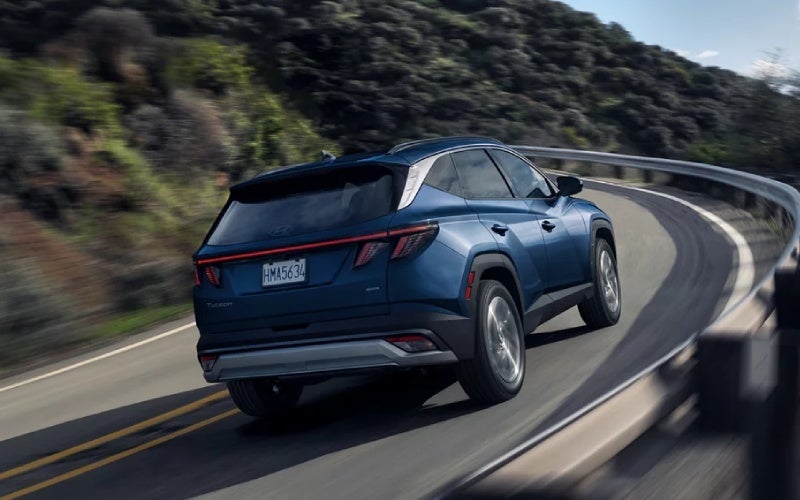
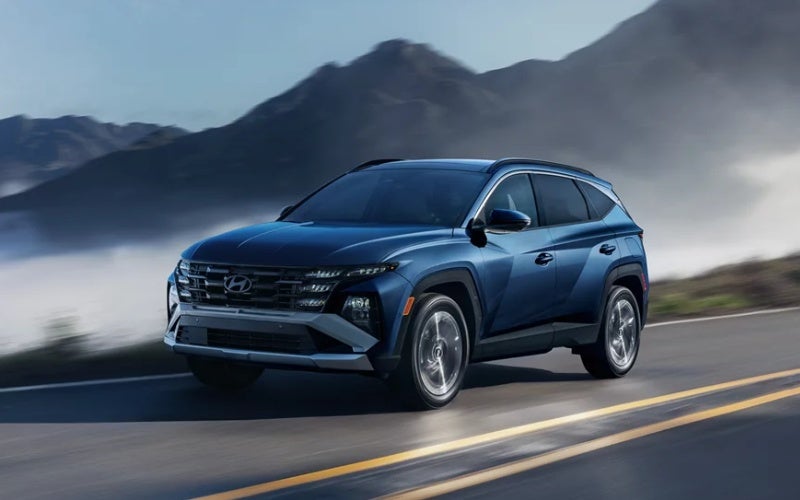
If you are eyeing the 2026 Tucson for everyday comfort and occasional adventure, you are likely asking one pivotal question: how much can it tow, and what does that really mean for your gear? The headline improvement for the 2026 model year is straightforward: gas-powered Tucson models can now tow up to 2,750 lbs with trailer brakes when properly equipped. Hybrid and Plug-in Hybrid variants remain rated at up to 2,000 lbs. On paper, those numbers unlock real-world possibilities like a small pop-up camper, a pair of jet skis, a lightweight aluminum fishing boat, or a compact utility trailer with lawn equipment or home-improvement supplies.

Numbers are only part of the story. The Tucson’s agreeable road manners and available all-wheel drive make towing more approachable for new and experienced drivers alike. For shoppers who plan to travel near lakes, campsites, or trailheads around Evansville, IN, the Tucson’s balanced steering, composed ride, and quiet cabin work together to reduce fatigue on longer hauls. If you anticipate slippery boat ramps, sandy campsites, or muddy detours, the XRT trim’s new Terrain Mode with Mud, Snow, and Sand adds valuable traction tuning at the twist of a dial. And if you are considering a Plug-in Hybrid for its electric driving capability, the included Level 1 / Level 2 (combo) charging cable offers flexible charging options at home or at public stations between trips.

  • Towing capacity basics: ICE models up to 2,750 lbs with trailer brakes when properly equipped; HEV/PHEV up to 2,000 lbs.
  • Right-size your trailer: Aim for a loaded trailer weight that leaves a cushion beneath your Tow rating for added peace of mind.
  • Mind tongue weight: Typically 10 to 15 percent of loaded trailer weight, it counts against payload and affects stability.
  • Brakes and wiring: Use appropriate trailer brakes and wiring harnesses for safe stopping and lighting compliance.
  • Tire and hitch checks: Confirm tire pressures, torque specs, and hitch ratings before each trip.

Beyond the basics, planning how you pack pays dividends. Distribute weight evenly left to right, keep heavier items low and forward of the trailer axle to maintain stable tongue weight, and secure cargo against shifting. On the road, leave extra following distance, brake earlier, and ease into highway speeds so the combination settles naturally. When you arrive at a campsite or launch, the Tucson’s clear sightlines and available camera views simplify positioning, and available all-wheel drive can help you pull out confidently if the surface is slick.

Many shoppers also ask when the Hybrid or Plug-in Hybrid configuration makes the most sense. If your towing needs are modest and you value responsive power and fewer fuel stops, HEV and PHEV models are rewarding daily drivers with sufficient capability for a small utility trailer or lightweight watercraft. If your gear creeps closer to the upper end of compact-SUV towing, the gas model’s 2,750-lb rating provides extra headroom that can make route planning simpler. Either way, the Tucson’s roomy rear seat and cargo area capably support a family’s luggage, camping supplies, or a week’s worth of home project materials.

There is a final consideration that often gets overlooked: test driving with your use case in mind. If towing is on your checklist, ask to review hitch options, wiring, and trailer-brake solutions, then take an extended test loop with acceleration, steady-state highway cruising, and a controlled stop from speed. If you are leaning toward the XRT, try its Terrain Mode on a safe surface to feel the differences among Mud, Snow, and Sand. And if a Plug-in Hybrid is in the running, walk through charging options at home and around your routine to confirm the included Level 1 / Level 2 (combo) cable fits your plan.

At Dorsett Hyundai, we help you translate specs into confidence behind the wheel. From choosing a trim to planning your tow setup, our team walks you through each step so you can enjoy every mile to the campsite or lake. We are committed to serving Bloomington, Effingham, and Evansville with clear guidance and hands-on support that makes SUV ownership simple and satisfying.

Frequently Asked Questions:

Can a 2026 Tucson tow a small camper?

Yes. Gas models can tow up to 2,750 lbs with trailer brakes when properly equipped, which covers many lightweight pop-up campers. Always verify the camper’s loaded weight, tongue weight, and hitch requirements.

Is all-wheel drive helpful when towing?

Available all-wheel drive improves traction on wet ramps, gravel, mud, and snow. For the 2026 XRT, the new Terrain Mode adds Mud, Snow, and Sand settings to fine-tune traction and throttle response.

What about Hybrid or Plug-in Hybrid towing?

HEV and PHEV models are rated up to 2,000 lbs. If your trailer is light and you value the benefits of electrification for daily driving, these variants can be an excellent fit.

Do I need a special charging setup for the PHEV?

Electrified Tucson models now include a Level 1 / Level 2 (combo) charging cable. Many owners add a 240V Level 2 solution at home for faster turnaround, but you can also use public Level 2 stations along your route.
Request more 2026 Hyundai Tucson information

Posted in:

Related Posts

Indianapolis, IN Drivers — How the 2026 Hyundai TUCSON’s Cabin Tech and Cargo Flex Simplify Everyday Plans

Indianapolis, IN Drivers — How the 2026 Hyundai TUCSON’s Cabin Tech and Cargo Flex Simplify Everyday Plans

Dorsett Hyundai - Indianapolis, IN Drivers — How the 2026 Hyundai TUCSON’s Cabin Tech and Cargo Flex Simplify Everyday Plans The compact SUV space is crowded, but the 2026 Hyundai TUCSON continues to stand out by focusing on how people actually use their vehicle every day. If you split time between downtown meetings and weekend pick-ups around neighborhoods like Broad Ripple or Irvington, the TUCSON’s interior tech and cargo flexibility create a stress-light routine. Devices connect quickly, screens are readable at a glance, and the cargo bay feels purpose-shaped for real errands — not just spec-sheet bragging rights. Let’s dig into how the TUCSON’s cabin helps Indianapolis drivers reclaim a little time and a lot of calm. Dual Displays That Work the Way You Do The available dual 12.3-inch displays in the TUCSON make it easier to stay oriented, informed, and focused on the drive. The digital instrument cluster is clean and legible, with key data arranged intuitively. The infotainment touchscreen is responsive, app-like, and customizable, so your frequently used functions are only a tap away. Combined, these screens reduce “search time” for information around the I-465 beltway and before you merge onto I-65 or I-70 — a small but meaningful advantage in heavy traffic. Wireless charging and seamless smartphone integration keep your day moving. You get the benefit of charging without cables cluttering the center console and the convenience of pulling up your favorite navigation app before crossing the White River or weaving toward a parking garage off Capitol Avenue. It is the kind of tech that does not draw attention to itself — and that is the point. You spend less time fiddling and more time driving. Cargo That Flexes for Real Life Beyond tech, the TUCSON’s cargo area is one of its quiet superpowers. It feels squared-off and accessible, so you can load items without working around awkward angles. The split-folding rear seats drop quickly for long boxes, band instruments, stroller frames, or a stack of flat packs you picked up near Castleton. Need to keep smaller items in place so they do not slide around on the way back from the Glendale area? The shape and tie-down points help you anchor bags and keep things tidy. The available hands-free smart power liftgate is especially helpful if you shop at lunchtime downtown and return to your vehicle with both hands full. Stand behind the liftgate with the key on you, and it opens — no dramatic wrist acrobatics required. When life is busy, these little touches add up to a smoother day. Driver Assistance That Feels Like an Everyday Teammate Hyundai SmartSense brings a strong suite of driver-assistance features to the 2026 TUCSON. Forward Collision-Avoidance can help brake if a lead vehicle slows unexpectedly near Meridian Street. Lane Following Assist provides subtle steering support to help keep you centered as you transition from the highway to surface streets with changing lane widths. Available Highway Driving Assist and Smart Cruise Control with Stop & Go are a gift when traffic ebbs and flows between Keystone Avenue and Allisonville Road. The goal is not to take over the drive — it is to ease the mental load so you arrive a little fresher. Forward awareness: The system can help sense vehicles or pedestrians ahead and apply braking support when needed. Side support: Blind-Spot Collision-Avoidance Assist helps you change lanes more confidently around the I-65/I-70 split. Back-up confidence: Rear Cross-Traffic Collision-Avoidance Assist adds support when backing out of tight parking at Mass Ave. Exit smarter: Safe Exit Warning can alert you to approaching traffic before you open a door curbside. Crucially, these systems communicate clearly and stay out of the way when you are actively in control. It is a sensible balance that fits the varied, real-world routes most Indianapolis drivers navigate daily. Cabin Calm, Ride Comfort The TUCSON’s cabin is designed to quiet down routine disruptions. Materials feel solid, road noise is well managed, and the seating posture helps you feel supported without being locked in. Available heated and ventilated front seats handle those mornings when the temperature does not match the forecast, while available heated rear seats keep passengers content during cross-town drives to youth sports or family dinners. It is about feeling ready for whatever the day throws at you — even when the schedule changes. What sets this compact SUV apart is not just a checklist of features but the way they come together. The interface looks cohesive, the hardware responds quickly, and the space works for people who use every inch of their vehicle weekly. From near east side errands to west side commutes and quick runs to the airport, the TUCSON feels steady and accommodating. Frequently Asked Questions: Can I open the liftgate hands-free if my hands are full? Yes. The available hands-free smart power liftgate can open when you stand behind the vehicle with the key, making it easier to load groceries or gear without setting items down. Does the TUCSON support digital phone key access? Available Hyundai Digital Key 2 Premium allows compatible smartphones to lock, unlock, and start the TUCSON — and you can share access digitally with household members when it fits your routine. Are advanced safety features standard? Hyundai SmartSense equips the TUCSON with many core driver-assistance features standard, with additional systems available on higher trims. How does the TUCSON feel on Indianapolis highways? The TUCSON rides comfortably and tracks confidently on I-465, I-65, and I-70, with steering that feels stable at speed and light enough for quick maneuvers. When you put everything together — the available dual 12.3-inch displays, smartphone conveniences, flexible cargo area, and robust safety systems — the 2026 Hyundai TUCSON makes busy days smoother without asking you to change your habits. It simply fits. If you are mapping your next compact SUV around neighborhoods like Fountain Square or the northside corridor, the TUCSON brings balanced value and real-world ease into sharp focus. At Dorsett Hyundai, we are committed to helping you find the right configuration and features for your life, serving Indianapolis, Champaign, and Lafayette with guidance that starts online and continues well into ownership. Explore trims, compare options, and see how smart cabin tech and cargo flexibility can make your everyday plans feel a little more effortless. Request more 2026 Hyundai Tucson information

Is the 2026 Hyundai TUCSON more comfortable than the 2026 Toyota RAV4 for Indianapolis, IN daily drives?

Is the 2026 Hyundai TUCSON more comfortable than the 2026 Toyota RAV4 for Indianapolis, IN daily drives?

Dorsett Hyundai - Is the 2026 Hyundai TUCSON more comfortable than the 2026 Toyota RAV4 for Indianapolis, IN daily drives? Comfort is one of the most important questions shoppers ask when comparing the Hyundai TUCSON and Toyota RAV4, and it is also one of the most personal. Some drivers focus on seat support, some care about technology placement, and others want a quiet cabin that makes commuting feel less tiring. For Indianapolis, IN drivers who spend time on I-465, I-70, local arterials, parking garages, and school or office routes, comfort is not just about soft materials. It is about how naturally an SUV fits into a full day. The TUCSON makes a strong impression because it blends cabin space, thoughtful technology, flexible cargo utility, and available convenience features into one balanced compact SUV. The RAV4 is a strong competitor with a redesigned 2026 lineup, available hybrid and plug-in hybrid powertrains, Toyota Safety Sense™ 4.0, a standard 12.3-inch digital gauge cluster, and available 12.9-inch Toyota Audio Multimedia. Those are meaningful strengths. However, the TUCSON feels especially well suited for drivers who want a cabin that is simple to use, visually modern, and comfortable across a variety of everyday situations. Dorsett Hyundai, serving Indianapolis, Champaign, and Lafayette, recommends taking a closer look at the TUCSON if your idea of comfort includes easy smartphone integration, a relaxed seating position, helpful storage, and the confidence of Hyundai’s warranty coverage. What makes an SUV feel comfortable every day? Daily comfort starts before the vehicle even moves. The driver should be able to settle in quickly, find the right seating position, see important information clearly, and reach key controls without a learning curve. The TUCSON cabin is designed with that kind of everyday usability in mind. Available dual 12.3-inch displays help create a clean, high-tech layout, while wireless Apple CarPlay® and Android Auto™ compatibility supports navigation, music, calls, and messages without making the cabin feel cluttered. For many drivers, that reduces the small frustrations that can build up over a week of commuting. The RAV4 also offers modern technology, including wireless Apple CarPlay® and Android Auto™ compatibility and its Toyota Audio Multimedia system. The difference is in the overall feel. The TUCSON leans into a more streamlined, premium-inspired layout, while the RAV4 has a bolder, more rugged design character. For shoppers who prefer a cabin that feels calm and contemporary, Hyundai’s approach may be more appealing. It is not about dismissing Toyota’s strengths; it is about matching the vehicle to the way you actually drive. If your SUV is used for commuting, errands, appointments, family logistics, and weekend plans, the TUCSON interior feels refreshingly easy to live with. Cabin space, seating, and cargo flexibility Comfort is also about how well a compact SUV adapts to passengers and cargo. The TUCSON provides a roomy, practical cabin with supportive seating and flexible cargo space that suits daily family life. Whether you are carrying backpacks, gym bags, groceries, small furniture, or luggage, the TUCSON gives you the versatility expected from a modern compact SUV without feeling bulky around town. Available features such as the Hands-free Smart Power Liftgate can make loading easier when your hands are full, which is the kind of convenience that becomes more valuable over time. The RAV4 provides useful cargo capacity and a versatile interior as well, with Toyota listing cargo capacity up to 37.8 cu. ft. behind the rear seats. That is a real strength, especially for drivers who regularly carry gear. Still, comfort is more than one measurement. The TUCSON’s appeal comes from the combination of passenger room, easy entry and exit, clean control placement, and a polished overall environment. It feels designed for people who need a compact SUV to do many things well, from weekday commuting to weekend travel. Technology that supports comfort Technology can either make a vehicle more comfortable or make it more distracting. The TUCSON succeeds because its available features are designed to simplify the drive. Hyundai Digital Key 2 Premium, available on select models, can allow compatible smartphone access and sharing, which is helpful for households where more than one driver uses the vehicle. Available Bluelink® connected services can also support remote and connected convenience, depending on vehicle configuration and service availability. These features matter because comfort is not limited to seat cushions; it includes how easy the SUV is to use before, during, and after the drive. The 2026 RAV4 answers with a strong technology package of its own, including available Advanced Park, available Traffic Jam Assist, and Toyota Safety Sense™ 4.0. Shoppers who prioritize Toyota’s latest multimedia interface will find a lot to like. Even so, the TUCSON’s technology feels especially approachable. The displays are clean, smartphone integration is convenient, and available driver-assistance features are presented in a way that feels natural. For drivers who want modern tech without feeling like every drive requires menu diving, the TUCSON has an advantage. How the TUCSON fits Indianapolis-area routines Indianapolis-area driving is varied. A single day can include highway merging, downtown parking, suburban errands, school traffic, and a longer evening drive across town. The TUCSON’s compact footprint helps it feel easy to maneuver, while its SUV ride height gives the driver a confident view of the road. Available HTRAC AWD can add traction confidence when roads are wet or uneven, and the broad TUCSON family gives shoppers gas, hybrid, and plug-in hybrid options. That powertrain flexibility is important for drivers who are still deciding what level of electrification fits their lifestyle. The RAV4’s 2026 lineup emphasizes hybrid and plug-in hybrid powertrains, which will attract shoppers focused on electrified driving. However, not every driver wants the same powertrain solution. Some prefer the simplicity of a traditional gas model, while others are ready for hybrid capability or plug-in hybrid flexibility. Hyundai gives shoppers room to choose. When comfort includes confidence in choosing the right configuration, the TUCSON feels like the more accommodating option. Key comfort advantages to consider Cabin design: The TUCSON offers a clean, modern interior layout with available dual 12.3-inch displays. Daily convenience: Available Hyundai Digital Key 2 Premium and available Hands-free Smart Power Liftgate support busy routines. Powertrain flexibility: Gas, hybrid, and plug-in hybrid choices help shoppers match the SUV to their lifestyle. All-weather confidence: Available HTRAC AWD helps support traction on changing road surfaces. Long-term reassurance: Hyundai’s standard 10-Year/100,000-Mile Powertrain Limited Warranty adds confidence beyond the showroom. These advantages are especially helpful for shoppers who want one SUV that can handle commuting, family use, errands, and road trips without feeling like a compromise. The TUCSON is not trying to be the most rugged-looking compact SUV or the most aggressive. Instead, it focuses on being comfortable, useful, advanced, and easy to recommend. Frequently Asked Questions: Is the Hyundai TUCSON quieter than the Toyota RAV4? Cabin quietness can vary by trim, tires, road surface, and powertrain, so the best answer comes from a test drive. That said, many shoppers appreciate the TUCSON’s refined cabin feel, streamlined layout, and comfortable seating position during normal commuting and highway driving. Does the TUCSON offer more powertrain choice than the RAV4? Yes. The TUCSON family includes gas, hybrid, and plug-in hybrid choices. The 2026 RAV4 lineup focuses on hybrid and plug-in hybrid powertrains, which is appealing for some shoppers but may not offer the same range of preferences for buyers who want a traditional gas model. Which SUV is better for families? Both SUVs can work well for families, but the TUCSON stands out for its modern interior, available convenience features, strong warranty coverage, and easy-to-use technology. Families who value comfort, flexibility, and long-term confidence should give the TUCSON serious consideration. Should I test drive both SUVs before deciding? Yes. Specs are useful, but comfort is best judged from the driver’s seat. A test drive lets you compare seating position, visibility, technology, steering feel, cargo access, and how naturally each SUV fits your routine. For shoppers asking which compact SUV feels more comfortable for daily driving, the TUCSON makes a persuasive case. The RAV4 remains a capable and well-known choice, but Hyundai’s compact SUV brings a more flexible lineup, a polished interior, intuitive technology, and warranty confidence that matter well after the first test drive. If comfort means more than a soft seat, and includes convenience, confidence, and a cabin that works with your day instead of against it, the TUCSON deserves to be at the top of your list. Request more 2026 Hyundai Tucson information

Terre Haute, IN Drivers — How Available HTRAC AWD Adds Confidence to the 2026 Hyundai TUCSON

Terre Haute, IN Drivers — How Available HTRAC AWD Adds Confidence to the 2026 Hyundai TUCSON

Dorsett Hyundai - Terre Haute, IN Drivers — How Available HTRAC AWD Adds Confidence to the 2026 Hyundai TUCSON For many SUV shoppers, all-wheel-drive confidence is not about extreme off-road adventures. It is about feeling more composed during real life: pulling away from a stop on a wet road, driving across uneven pavement, navigating a gravel driveway, or staying steady when traffic suddenly slows. That is where the available HTRAC AWD system in the 2026 TUCSON becomes especially appealing. Hyundai designed TUCSON as the modern adventure SUV, and available HTRAC AWD helps support that promise by giving drivers an added layer of traction confidence without making the vehicle feel oversized or complicated. It fits the everyday personality of the TUCSON: compact enough to be easy to park, strong enough to feel reassuring, and refined enough to make daily driving comfortable. Drivers around Terre Haute understand that road conditions can change quickly from one route to another. A commute may include city streets, open highways, campus-area traffic, construction zones, and county roads in the same week. The TUCSON feels well suited for that variety because it pairs practical SUV proportions with modern technology and a standard 187 hp engine. Available HTRAC AWD adds another advantage for shoppers who want traction support when pavement is imperfect or when rural travel is part of the routine. Dorsett Hyundai, serving Evansville, Terre Haute, and Indianapolis, helps shoppers compare front-wheel-drive and available all-wheel-drive configurations so the final choice matches actual driving habits rather than guesswork. What HTRAC AWD Means for Everyday Driving HTRAC AWD is Hyundai's available all-wheel-drive system, and its value is easiest to understand when you think about common driving situations. Instead of only focusing on rugged destinations, consider the everyday moments when traction and stability matter. A front-wheel-drive SUV can be a great choice for many drivers, but available HTRAC AWD may be worth considering if your weekly routine includes rural roads, steep driveways, changing pavement quality, or frequent highway travel. It can help the vehicle feel more planted and responsive, especially when road surfaces are less predictable. The benefit is not just mechanical. Confidence changes the way a vehicle feels. When an SUV responds smoothly and maintains composure, the driver can focus more on traffic flow, navigation, and passengers. That matters on I-70, along busy commercial corridors, and throughout residential areas where stop-and-go movement is common. The TUCSON already offers a comfortable cabin, strong visibility, and useful available technology. Adding available HTRAC AWD can make that well-rounded package feel even more prepared for Indiana driving. Why TUCSON Is a Smart Size for Local Roads One reason shoppers gravitate toward the TUCSON is its balance. It is not as large as a three-row SUV, yet it gives drivers the elevated seating position, cargo flexibility, and confident styling many people want from a modern utility vehicle. For Terre Haute-area drivers, that size can be especially useful. It is easy to maneuver through parking lots, practical for grocery runs or school activities, and comfortable enough for longer drives toward Indianapolis or western Indiana communities. Available HTRAC AWD enhances that right-sized feel without changing the core personality of the SUV. You still get a vehicle that feels approachable, comfortable, and efficient in its layout, while gaining extra traction support when conditions call for it. The TUCSON’s bold front design, modern rear styling, and available digital touchscreen also help it feel more premium than many shoppers expect from a compact SUV. It is practical, but it does not feel plain. When Available HTRAC AWD May Be Worth Choosing If you are deciding whether available HTRAC AWD belongs on your must-have list, start by looking at your driving environment. The feature may be especially appealing if your routes include a mix of city and rural roads, if you frequently travel before roads are fully cleared after changing conditions, or if you simply prefer the added confidence of all-wheel-drive capability. It can also be a strong fit for drivers who keep vehicles long term and want an SUV that feels prepared for different stages of life. Rural road confidence: Available HTRAC AWD can be helpful on gravel lanes, uneven pavement, and less predictable back roads. Highway stability: Added traction support can help the TUCSON feel composed during longer regional drives. Daily flexibility: The system supports drivers who move between city streets, neighborhood routes, and open roads. Ownership planning: Choosing available AWD can make sense if you want long-term versatility from your SUV. Of course, not every driver needs all-wheel drive. If most of your travel happens on well-maintained city streets and you prioritize simplicity, a front-wheel-drive TUCSON may be a smart fit. The advantage of shopping carefully is that you can match the vehicle to the way you truly drive, not just how you imagine you might use it once or twice a year. That is why comparing trims, features, and drivetrain options in person can be so helpful. Technology and Comfort Complete the Package Available HTRAC AWD is only one part of the TUCSON’s appeal. Inside, Hyundai focuses on comfort and intuitive technology. The available digital touchscreen helps keep important controls organized, while available features such as a heads-up display, remote start, and heated seats can make the cabin feel more convenient and refined. Owner feedback has also highlighted comfortable seating, easy visibility, and confident handling, all of which support the TUCSON’s reputation as a well-rounded everyday SUV. Warranty coverage also adds meaningful peace of mind. Hyundai's America's Best Warranty includes a 10-Year/100,000-Mile Powertrain Limited Warranty, along with additional new vehicle, anti-perforation, and roadside assistance coverage. For shoppers who are deciding between leasing and financing, that support matters. Lease customers can enjoy a modern SUV during a defined term, while finance customers can plan for long-term ownership with added confidence. Either way, the TUCSON is built to support daily life with style and substance. Frequently Asked Questions: Is available HTRAC AWD standard on every TUCSON? No. HTRAC AWD is available, so shoppers should confirm which trim and configuration includes the drivetrain setup they want. Does available HTRAC AWD make the TUCSON harder to drive? No. The system is designed to work seamlessly in the background, helping support traction while keeping the SUV easy and comfortable to drive. Who should consider available HTRAC AWD? It is a strong choice for drivers who travel rural roads, want extra confidence on changing surfaces, or prefer added capability for year-round driving. Can I compare TUCSON drivetrain options before deciding? Yes. A test drive and feature consultation can help you decide whether front-wheel drive or available HTRAC AWD better fits your routine. The 2026 TUCSON succeeds because it does not ask shoppers to choose between practicality and personality. It offers modern design, useful technology, strong warranty support, and available all-wheel-drive confidence in a compact SUV package that fits local life well. For drivers who want a vehicle that feels comfortable during the workweek and ready for weekend errands, family plans, or regional travel, available HTRAC AWD is a feature worth serious consideration. Request more 2026 Hyundai Tucson information